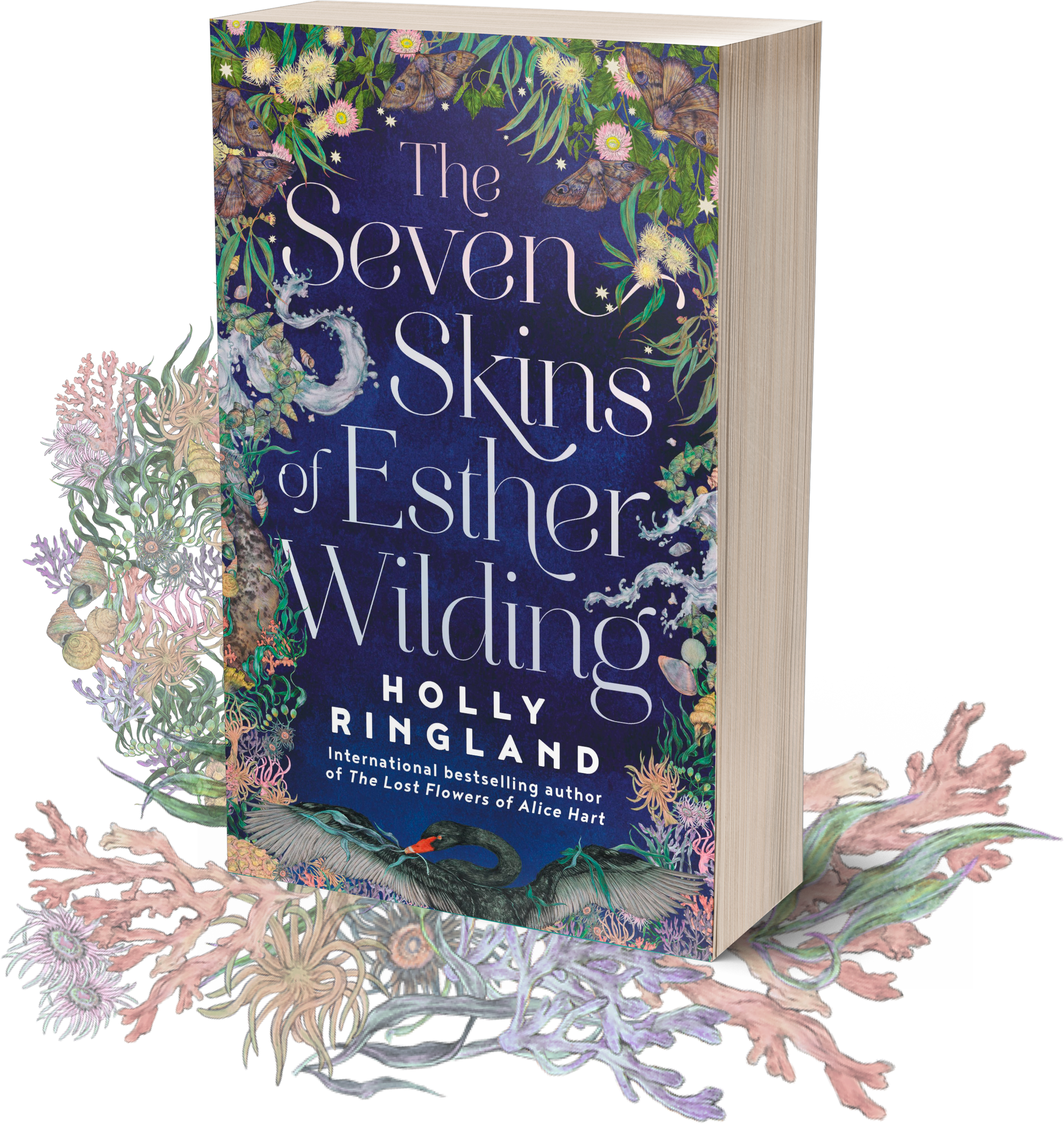
My second international bestselling novel:
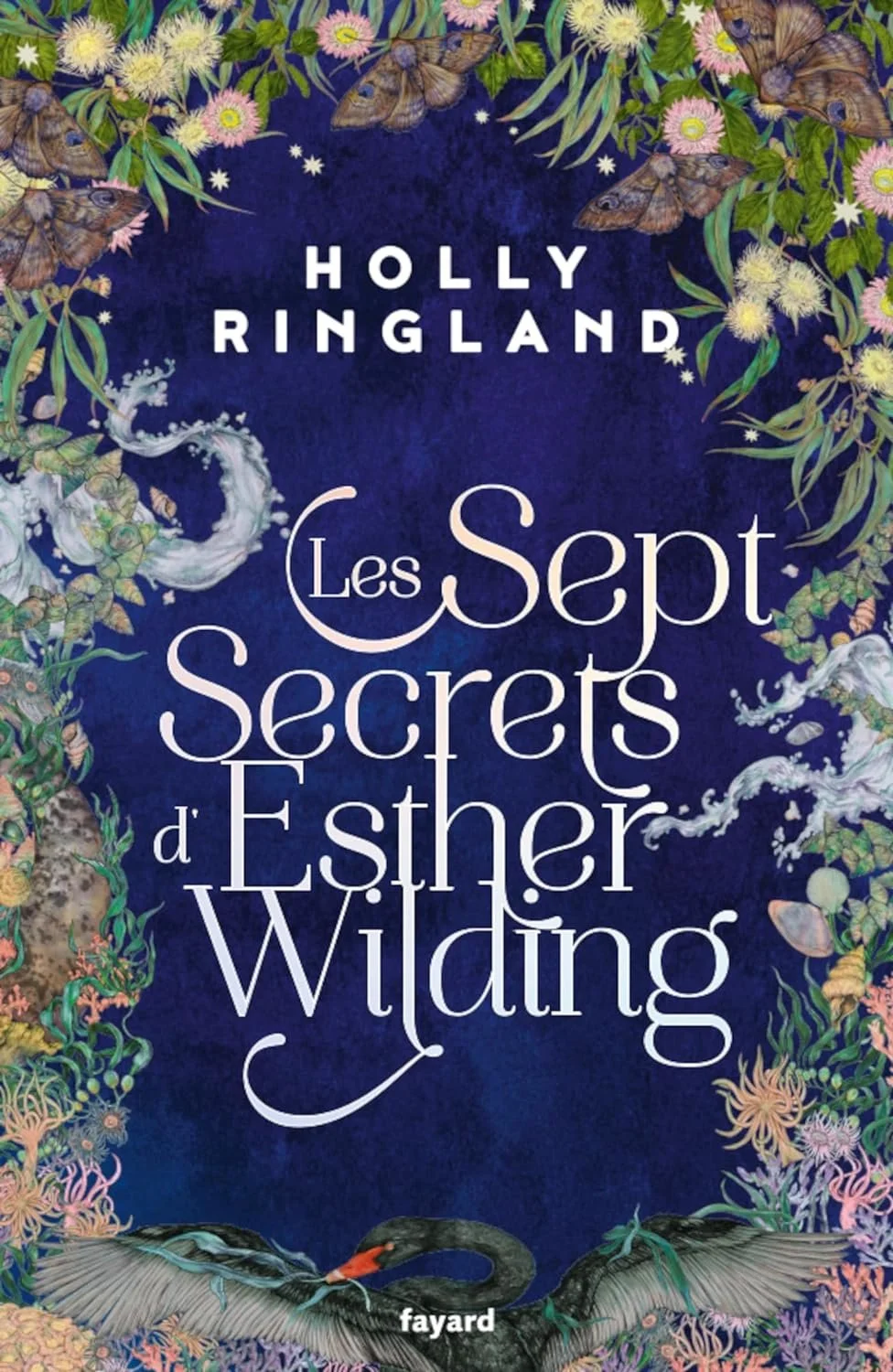
The Seven Skins of Esther Wilding
Sometimes a story has to be shed before joy and truth can surface.
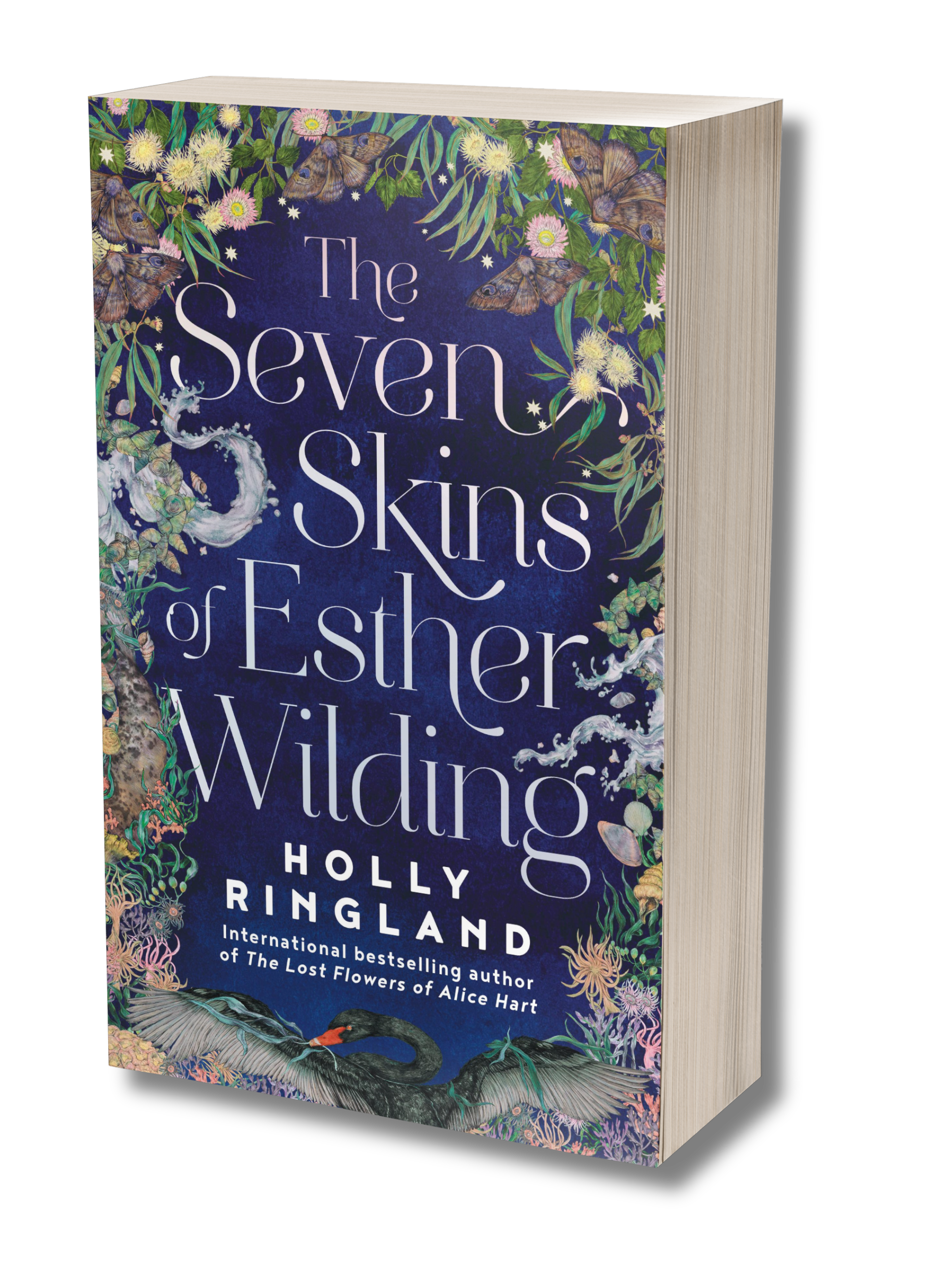
Dear reader, meet Esther Wilding.
'On the afternoon that Esther Wilding drove homeward along the coast, a year after her sister had walked into the sea and disappeared, the light was painfully golden.'
The last time Esther Wilding's beloved older sister Aura was seen, she was walking along the shore towards the sea.
In the wake of Aura's disappearance, Esther's family struggles to live with their loss.
To seek the truth about her sister's death, Esther reluctantly travels from Lutruwita, Tasmania to Copenhagen, and then to the Faroe Islands, following the trail of the stories Aura left behind: seven fairy tales about selkies, swans and women, alongside cryptic verses Aura wrote and had secretly tattooed on her body.
The Seven Skins of Esther Wilding is a sweeping, deeply beautiful and profoundly moving novel about the far-reaches of sisterly love, the power of wearing your heart on your skin, and the ways life can transform when we find the courage to feel the fullness of both grief and joy.
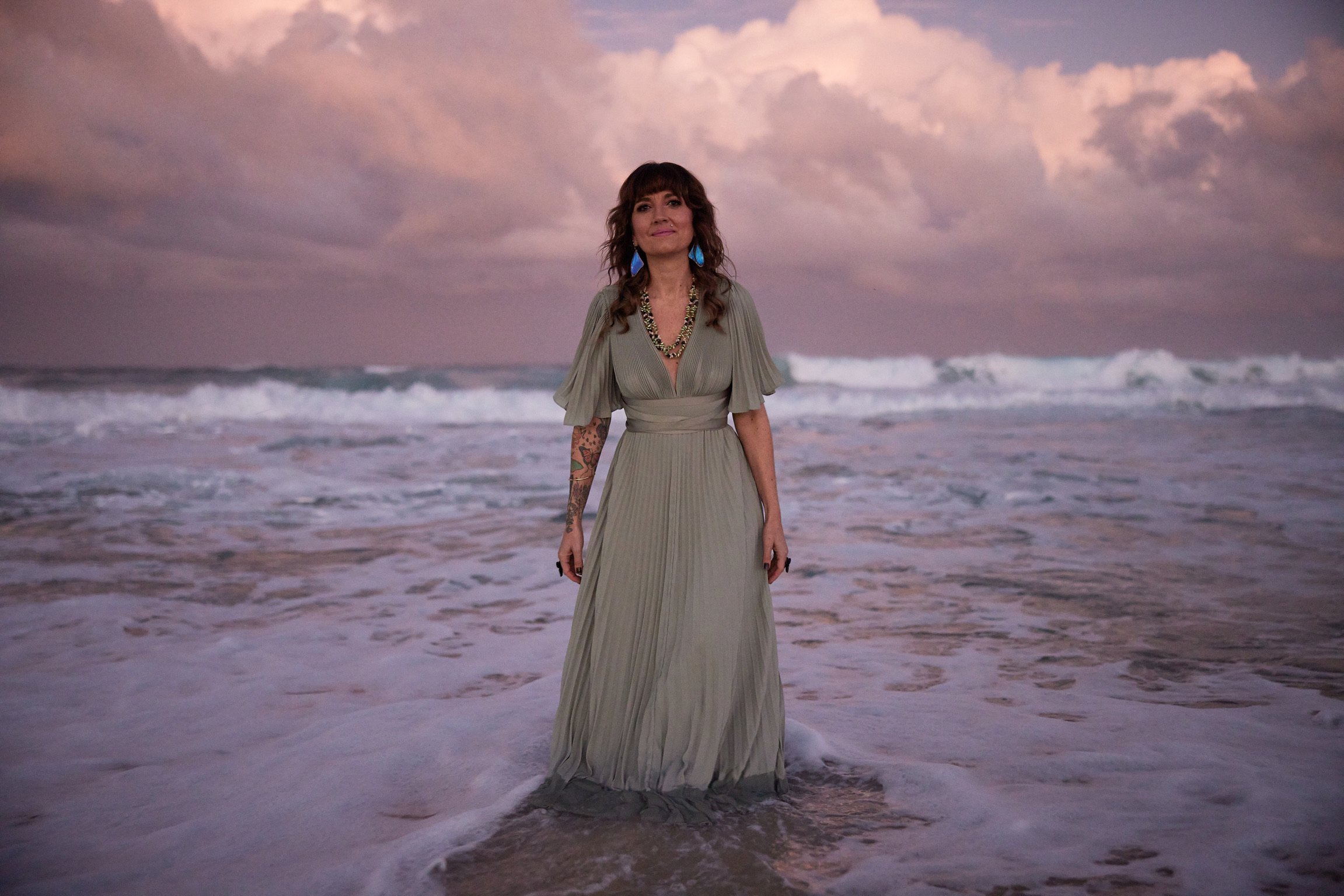
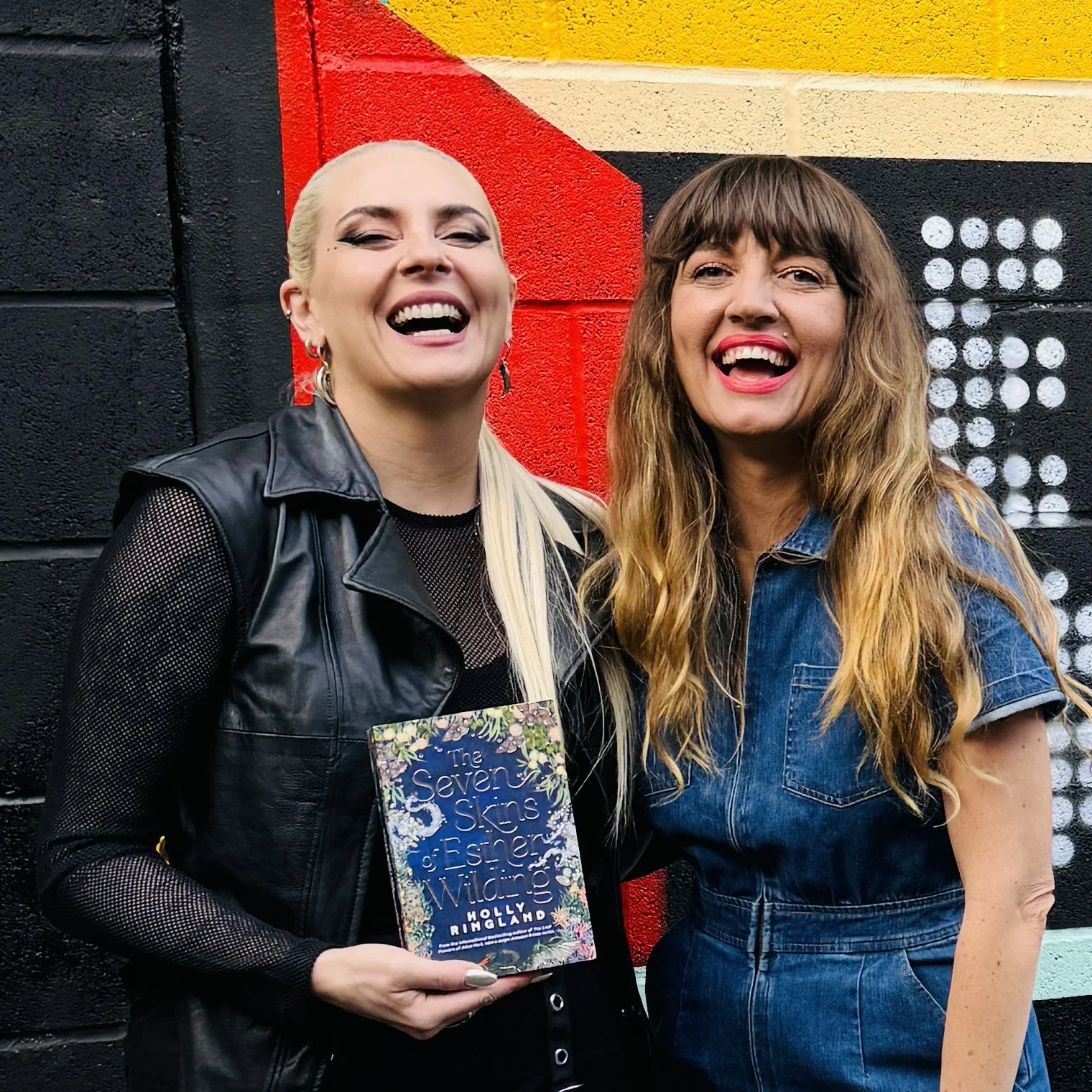
2022 – my author photo shoot for the publication of The Seven Skins of Esther Wilding, taken by Daniel Boud at Maroubra Beach on Gadigal Country. It had rained all day; we’d been shooting in a studio. Just before sunset, the sky cleared. Daniel looked at me and I at him and we (including our team) legged it to the sea. Worth it.
Booktopia’s 2022 Book of the Year
A Barnes & Noble 2024 Bookseller’s Choice

“This intercontinental journey into joy, grief, nature and magic confirms Holly Ringland as one of Australia’s most precious, life-changing storytellers.”
“One of my favourite novels.”
“Rich in fairy tales and folklore ... the stories of the women in this book will certainly get under your skin.”
“Ringland blends genres, combining mystery with strong female characters to create a book that is an epic heroine’s journey.”
“A mythological journey as much as an unfolding mystery, full of symbols ... a magical, witchy, quirky, luminous book.”
“Vivid and soaring ... a haunting story of trauma and redemption.”
“Ringland truly knocks it out of the park with her ability to display such powerful backstories and complex personalities that spill off every page.”
Where to buy Esther Wilding:
Australia
New Zealand
UK
Canada
USA
To find The Seven Skins of Esther Wilding published in your language, please check with your favourite local bookshop.
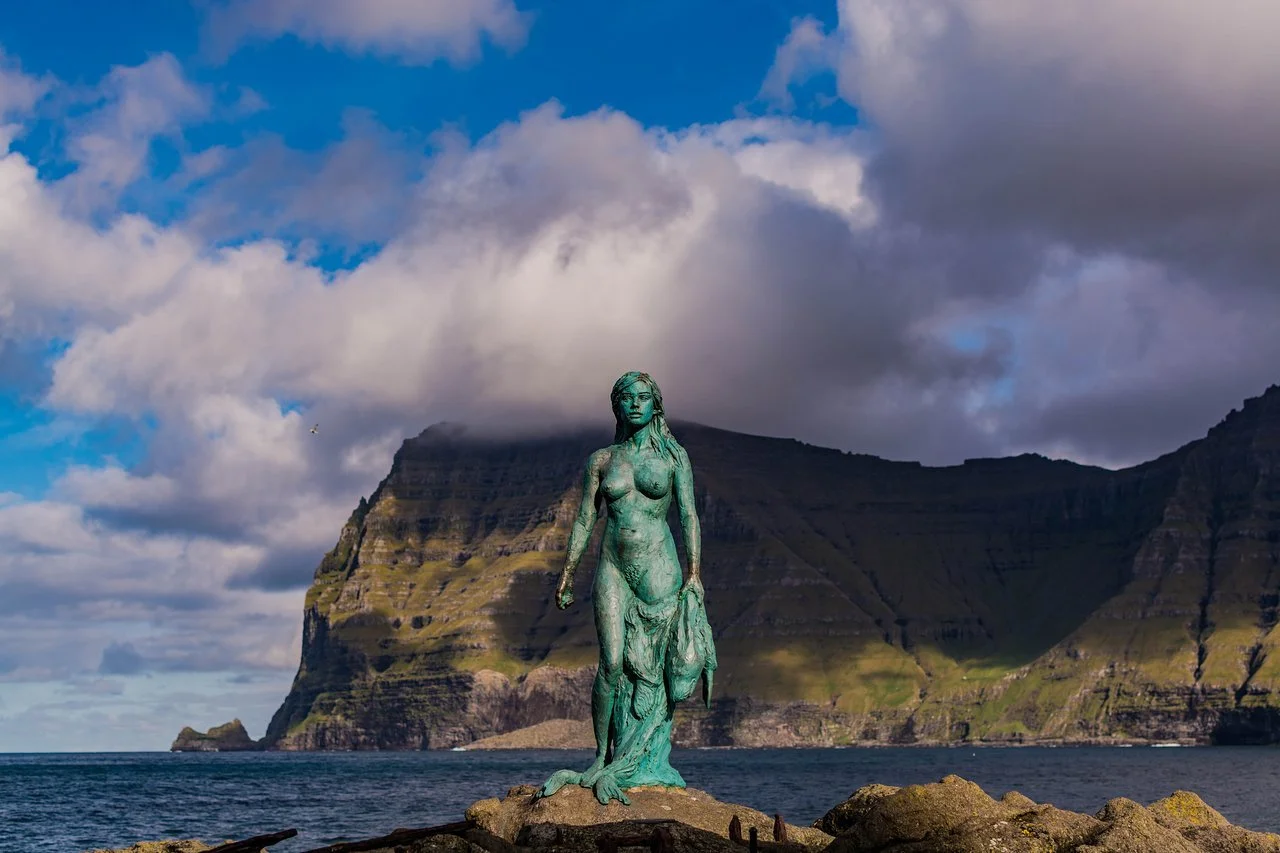
The image that started Esther’s story:
Kópakonan, the Seal Woman, in the Faroe Islands.
The Seven Skins of Esther Wilding is my second novel, published in 2022. I wrote it through the pandemic, when writing fiction often felt impossible. This story carried me. Esther kept me believing in our capacity to face grief and still, despite everything, embrace love, courage, joy and transformation.
In some ways, like all of my novels, it’s been a story I’ve been waiting to write all my life. My ancestors are Celtic and Scandinavian and I grew up hearing their stories of the sea, lost children and seal people at the place where the best were told: my grandmother’s kitchen table.
Since publication, Esther Wilding has been published in 14 territories/languages around the world and become an international bestseller.* I am indebted to every publishing team behind my work, especially every translator.
Following the success of Alice Hart, I promised myself while writing my second novel, that my job was to write from my heart – not from pressure, expectation, or fear.
Seeing readers embrace Esther Wilding so passionately is a deep, continuing joy.
*Years on, I still do not know how to cope, or what to do with my hands when talking about this.
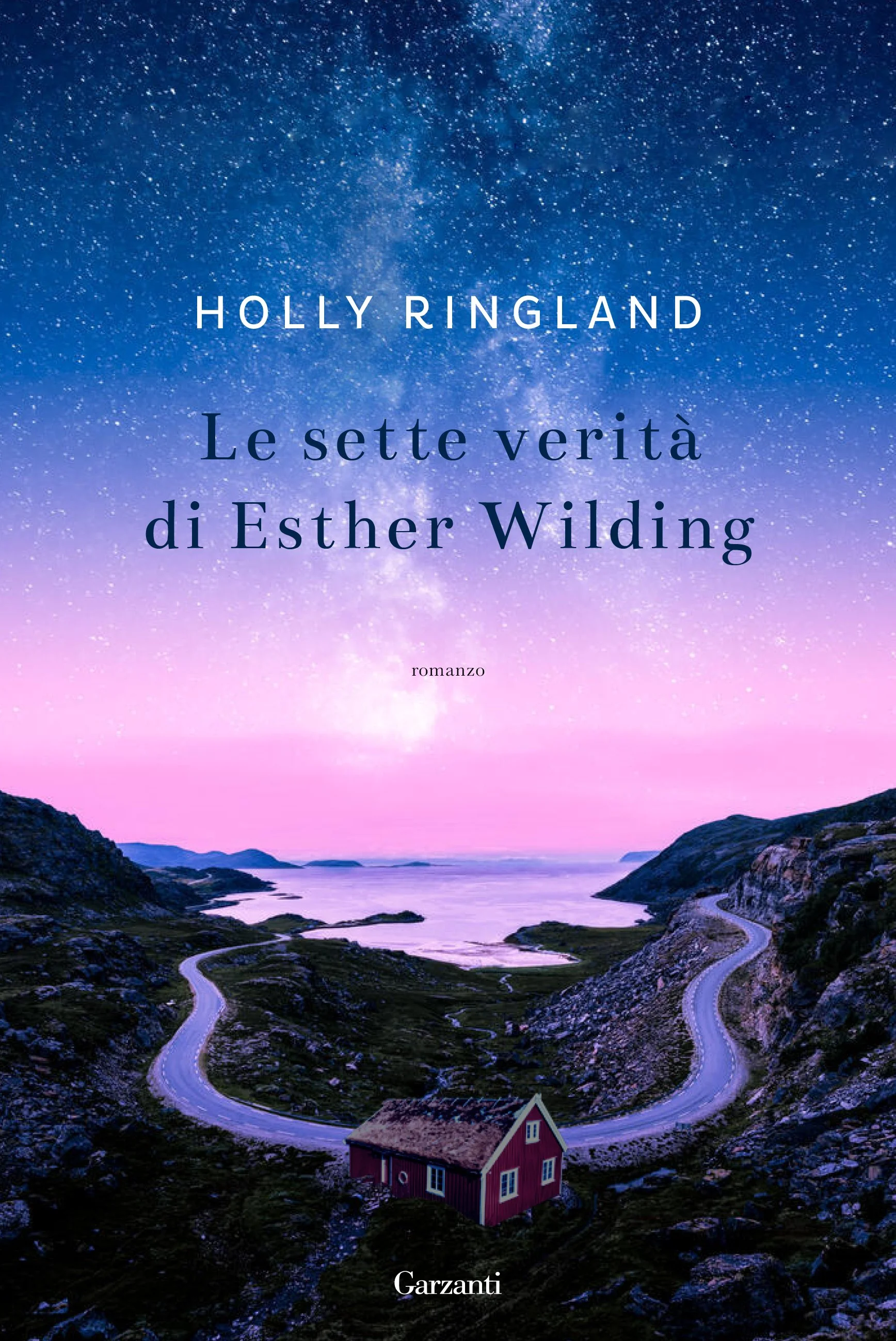

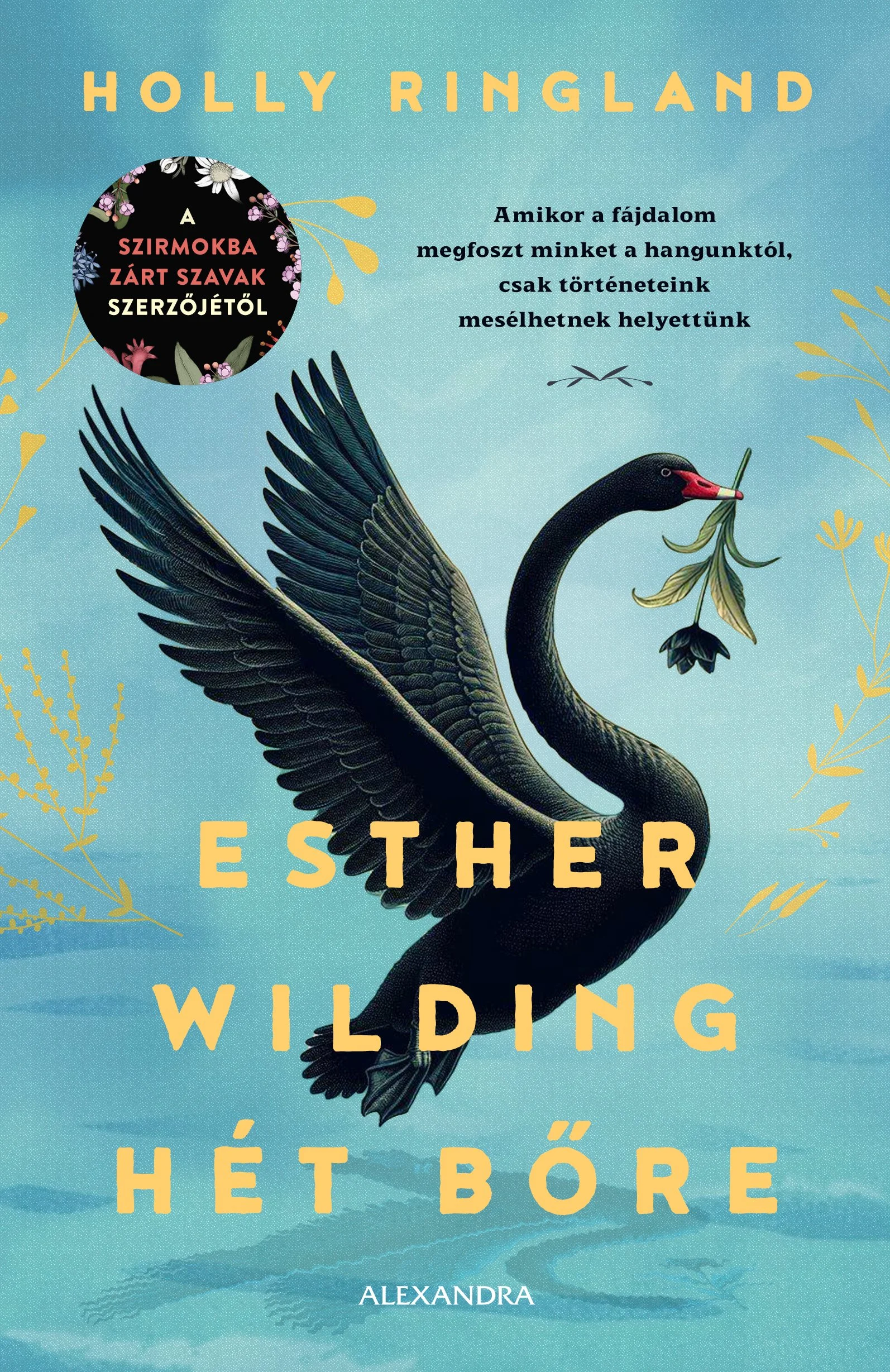
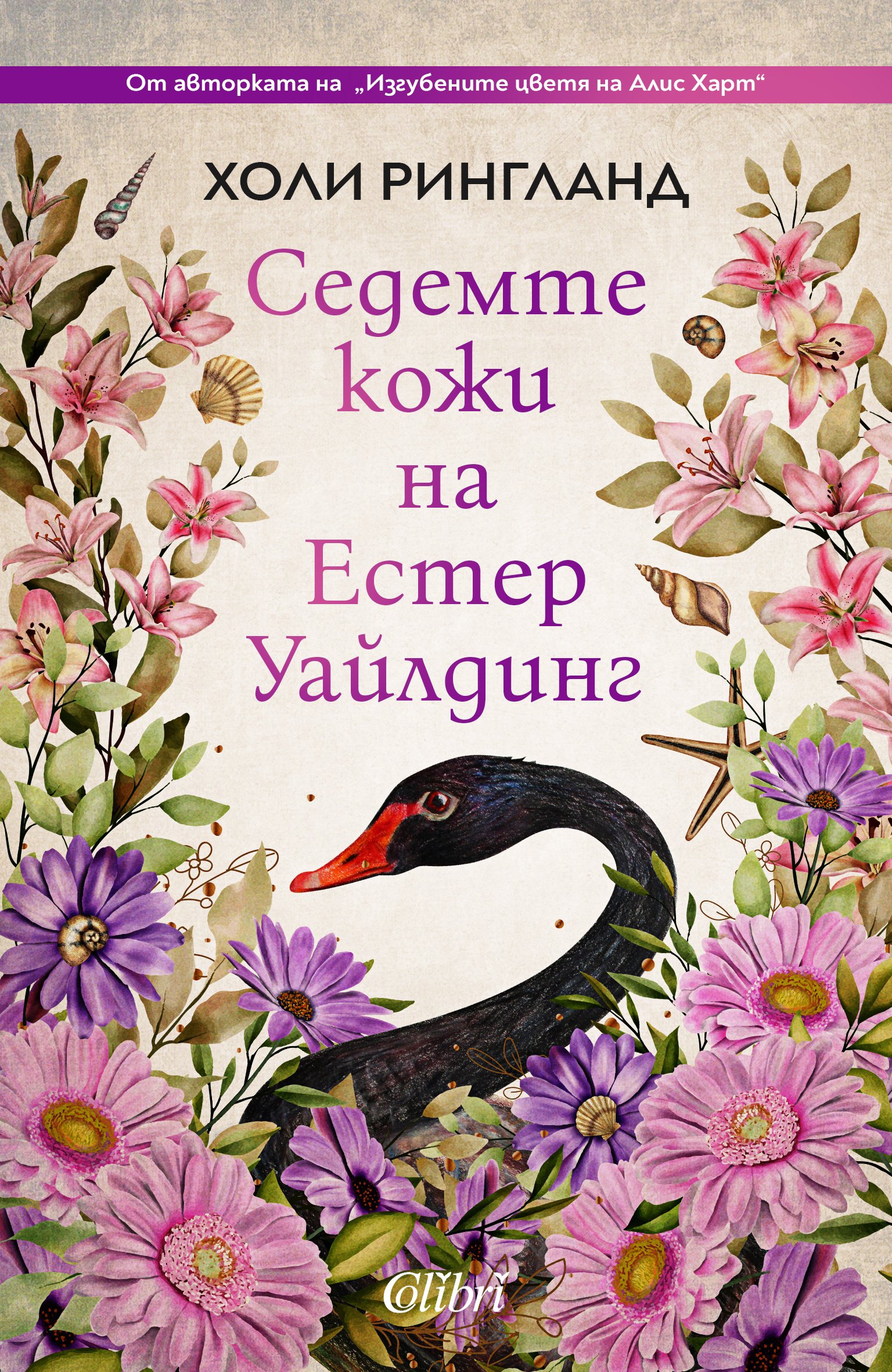
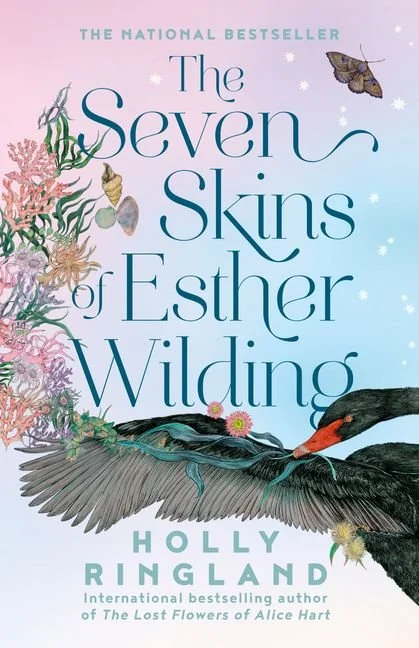
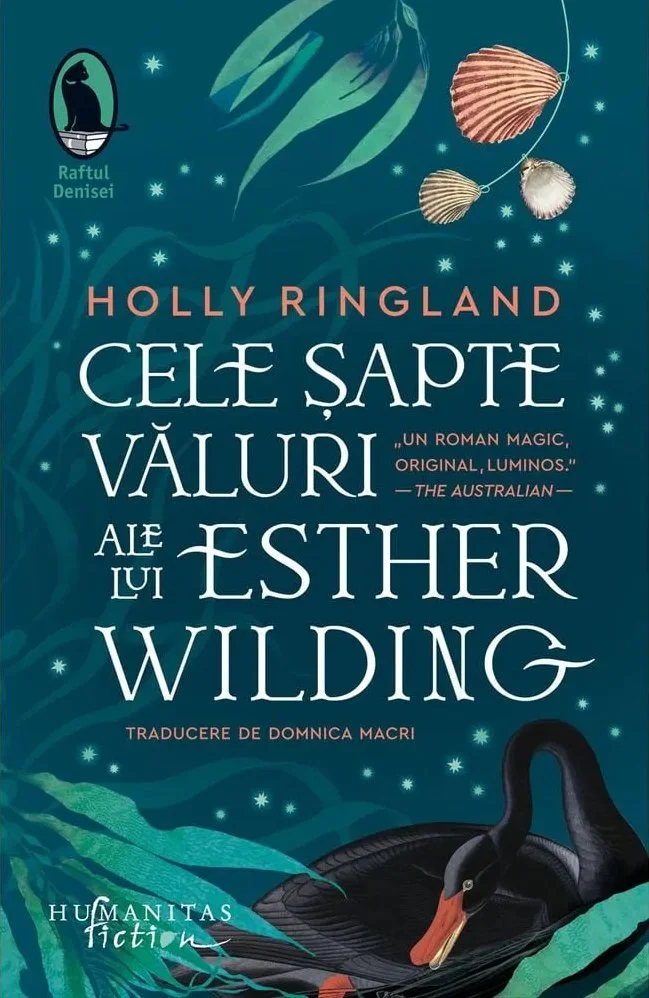
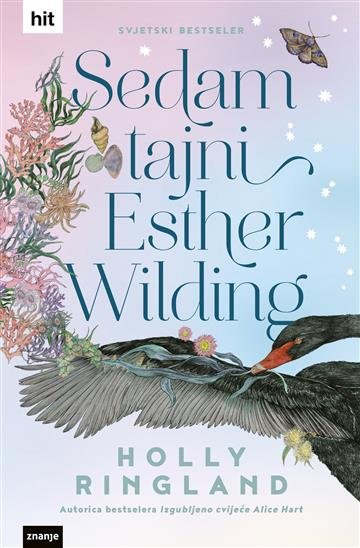
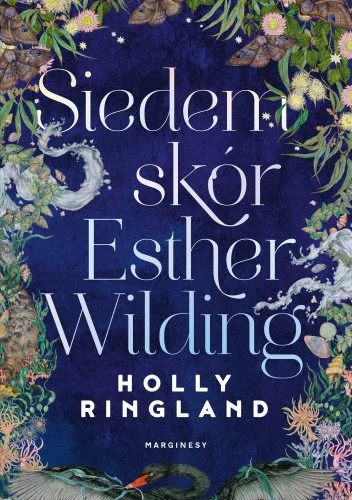
My first Canadian and US Book Tour!
Thank you to every North American indie bookshop, library and conversationalist who hosted me, and every reader who came out to celebrate the launch of Esther Wilding and share their love for Alice Hart with me too.
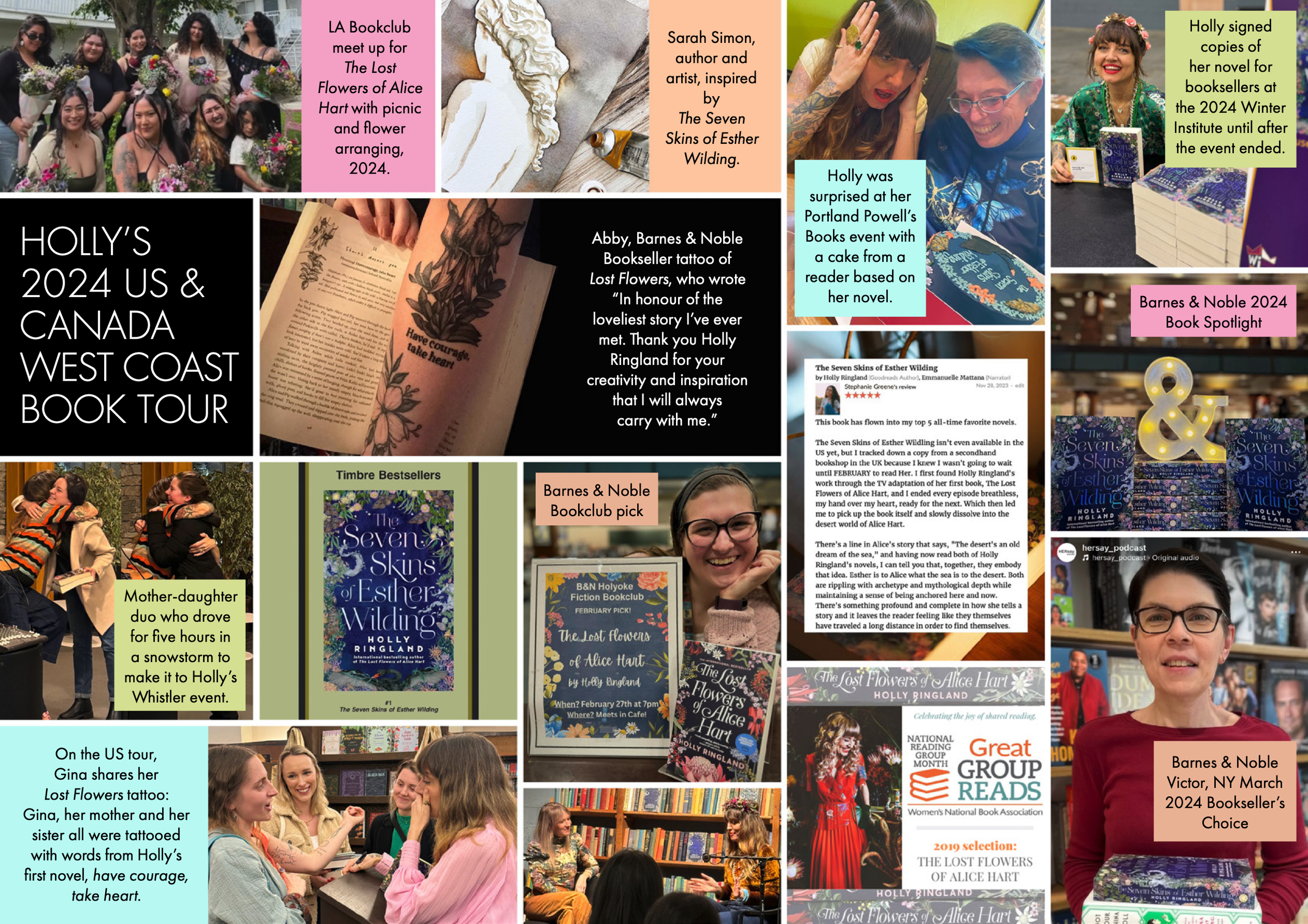
Design by Lisa ReidyStories that stay with you
One of the greatest honours of my writing life has been seeing readers carry the stories of my novels into their own lives – through letters, messages, photos, flowers, rituals, memories and tattoos shared with me from around the world.
These are some of the deeply moving tattoos readers have shared with me, inspired by The Seven Skins of Esther Wilding. I treasure each photo more than I can say.
Shared with permission. Names withheld for privacy.
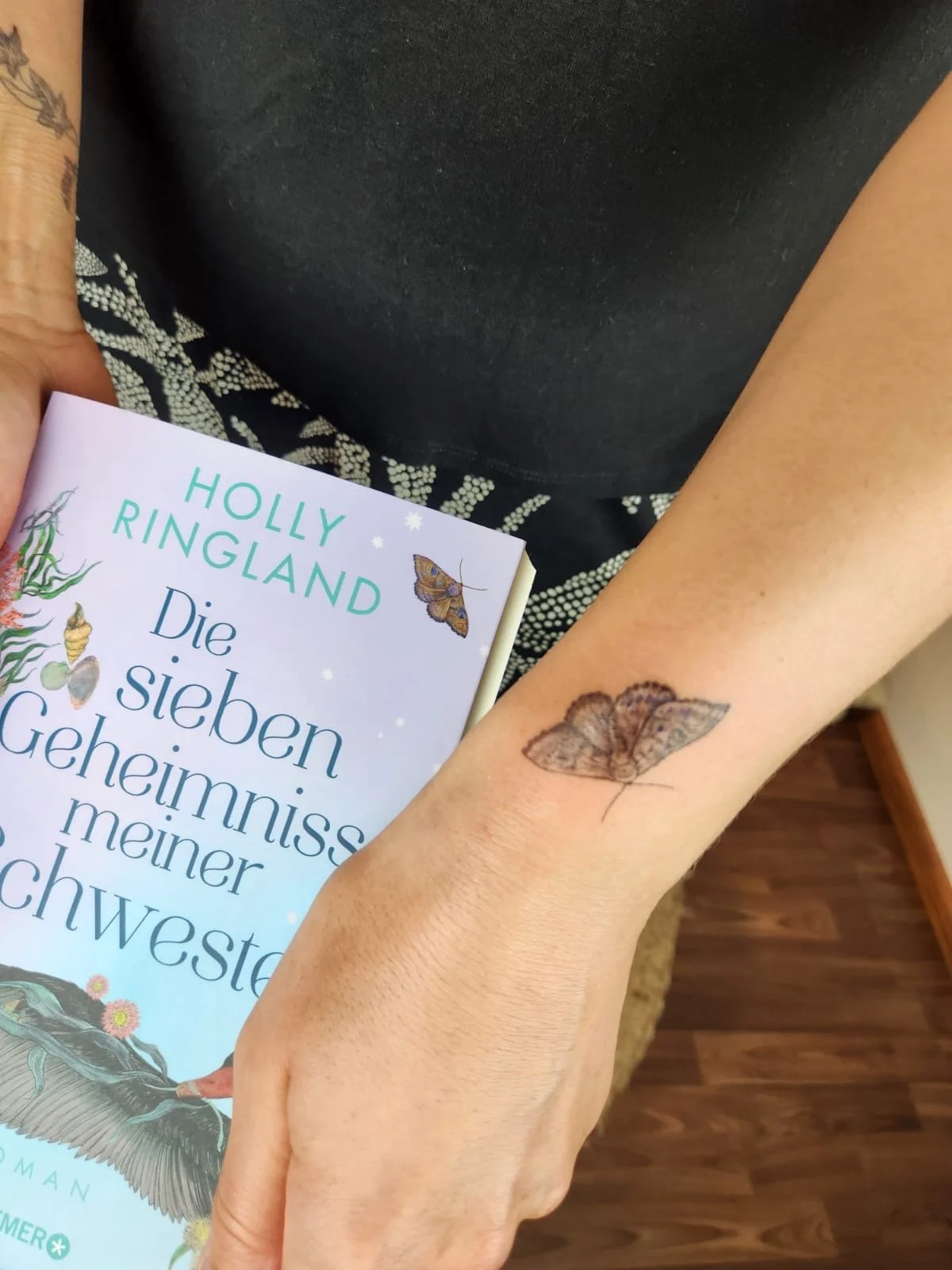
Inspired by Esther Wilding
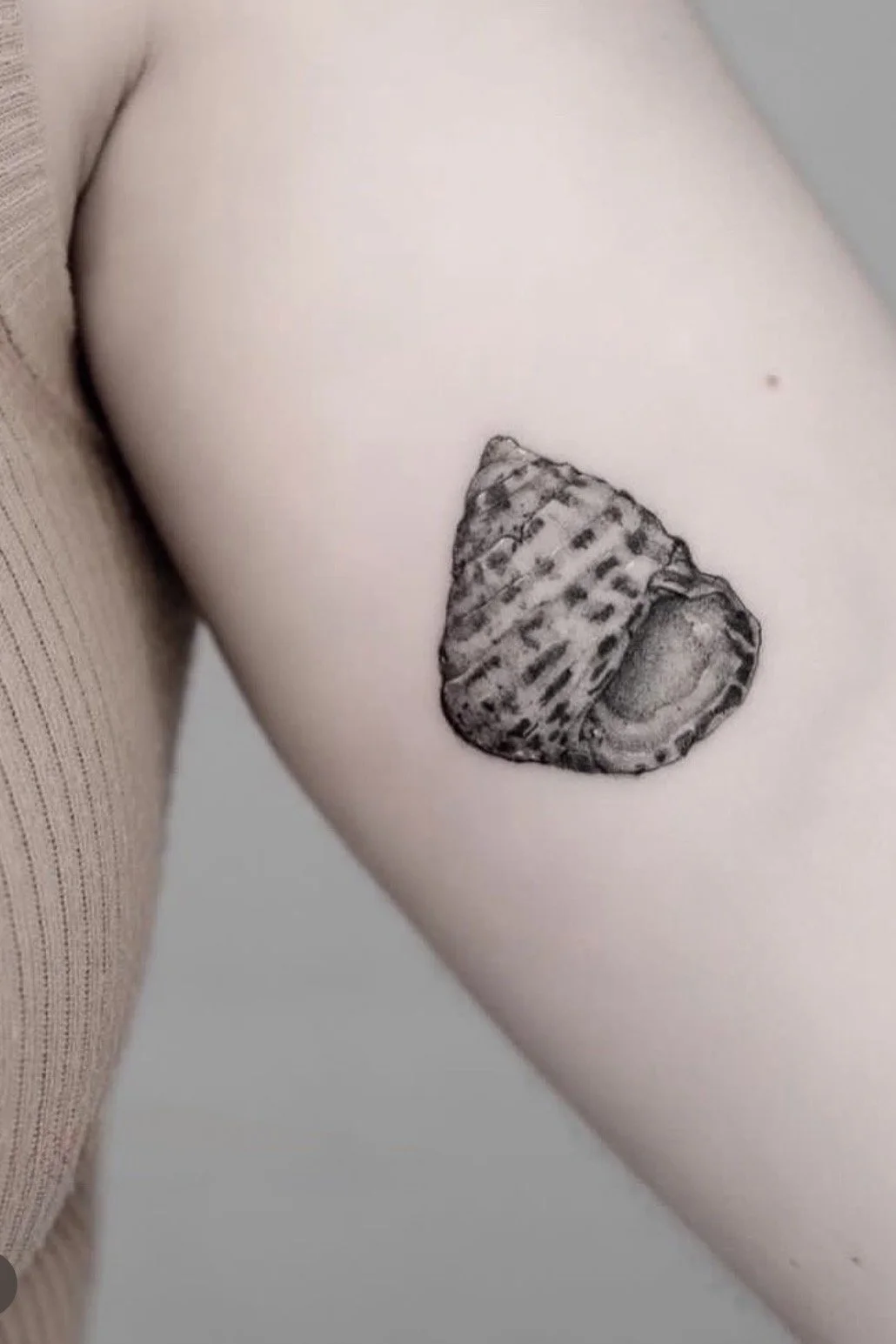
Inspired by Esther Wilding
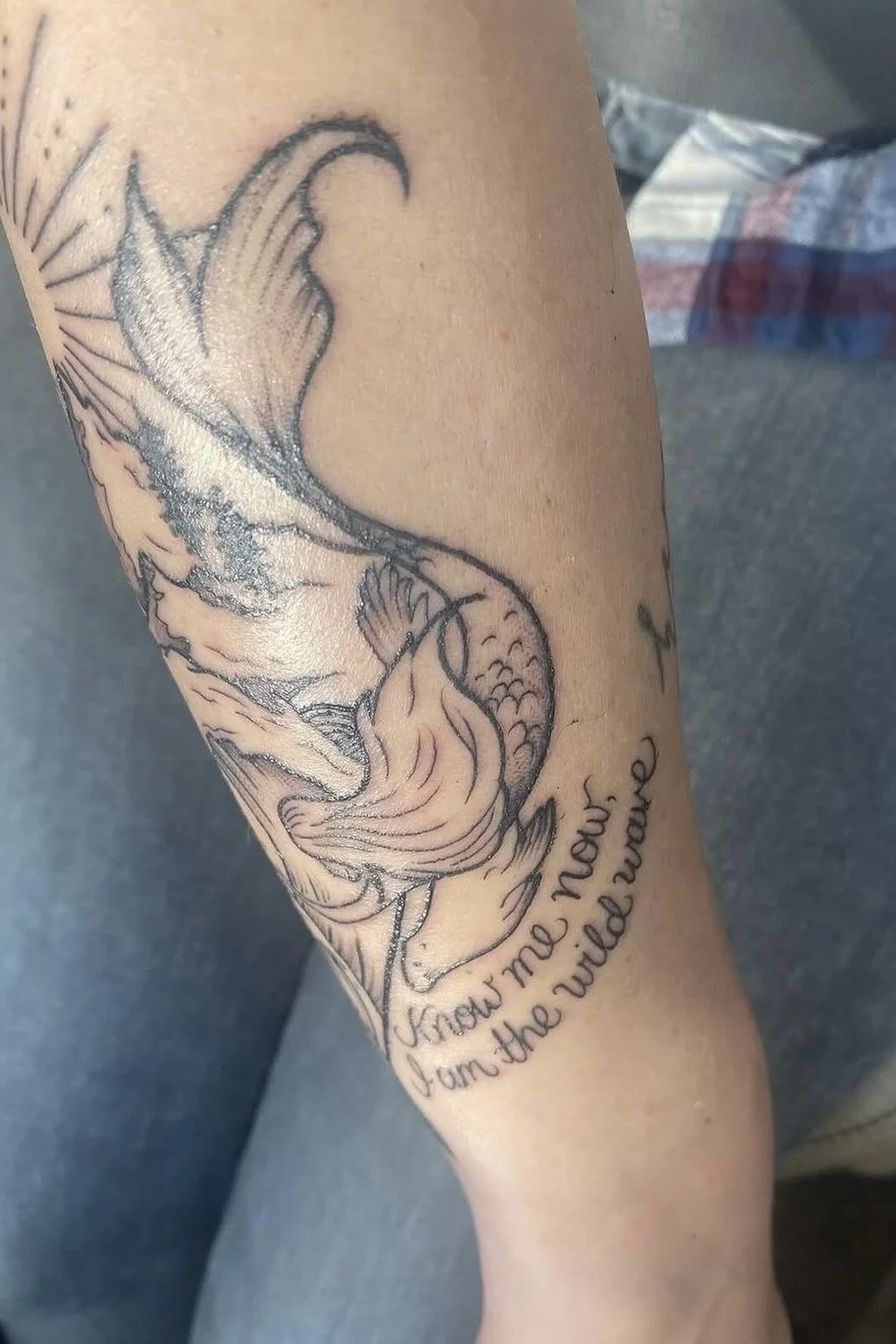
Inspired by Esther Wilding
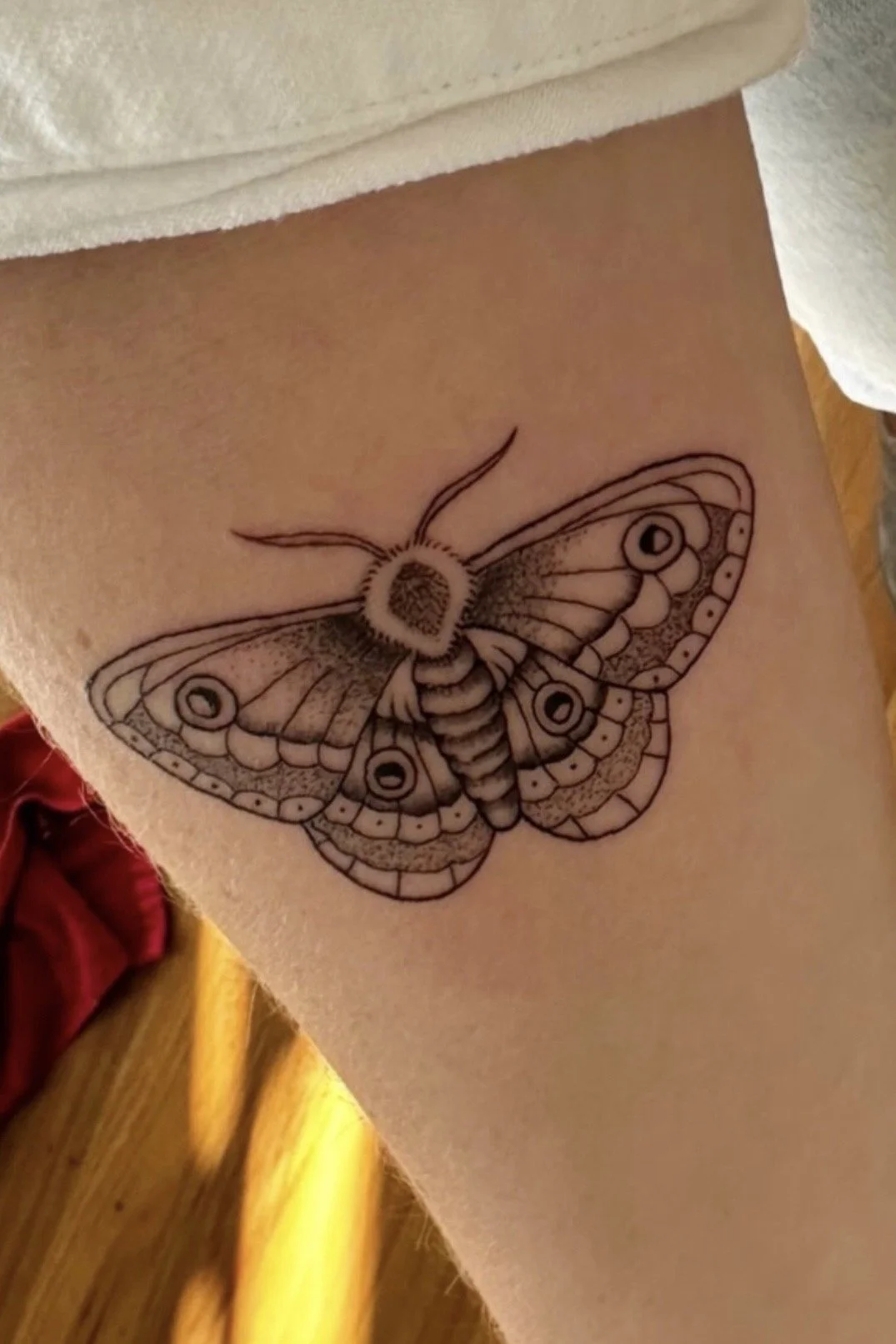
Inspired by Esther Wilding
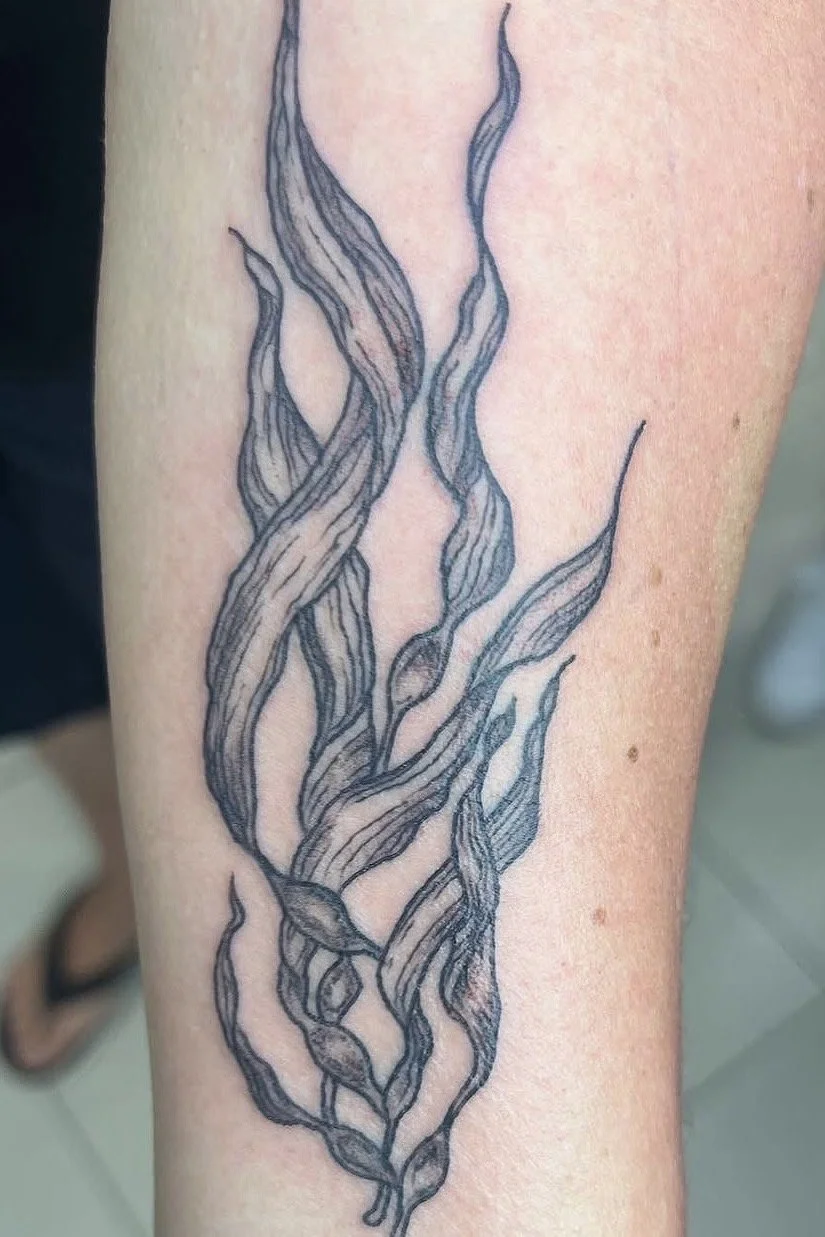
Inspired by Esther Wilding
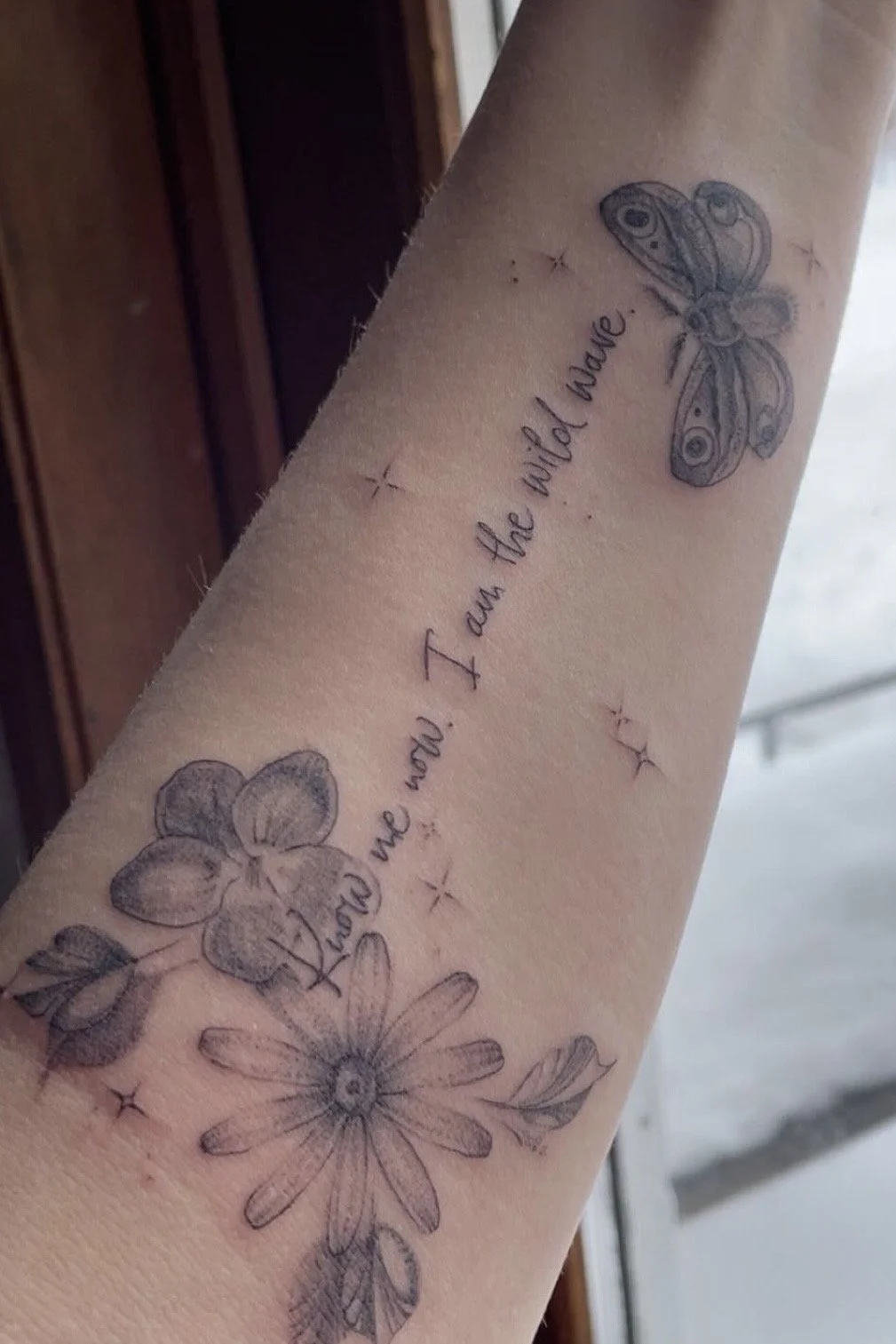
Inspired by Esther Wilding
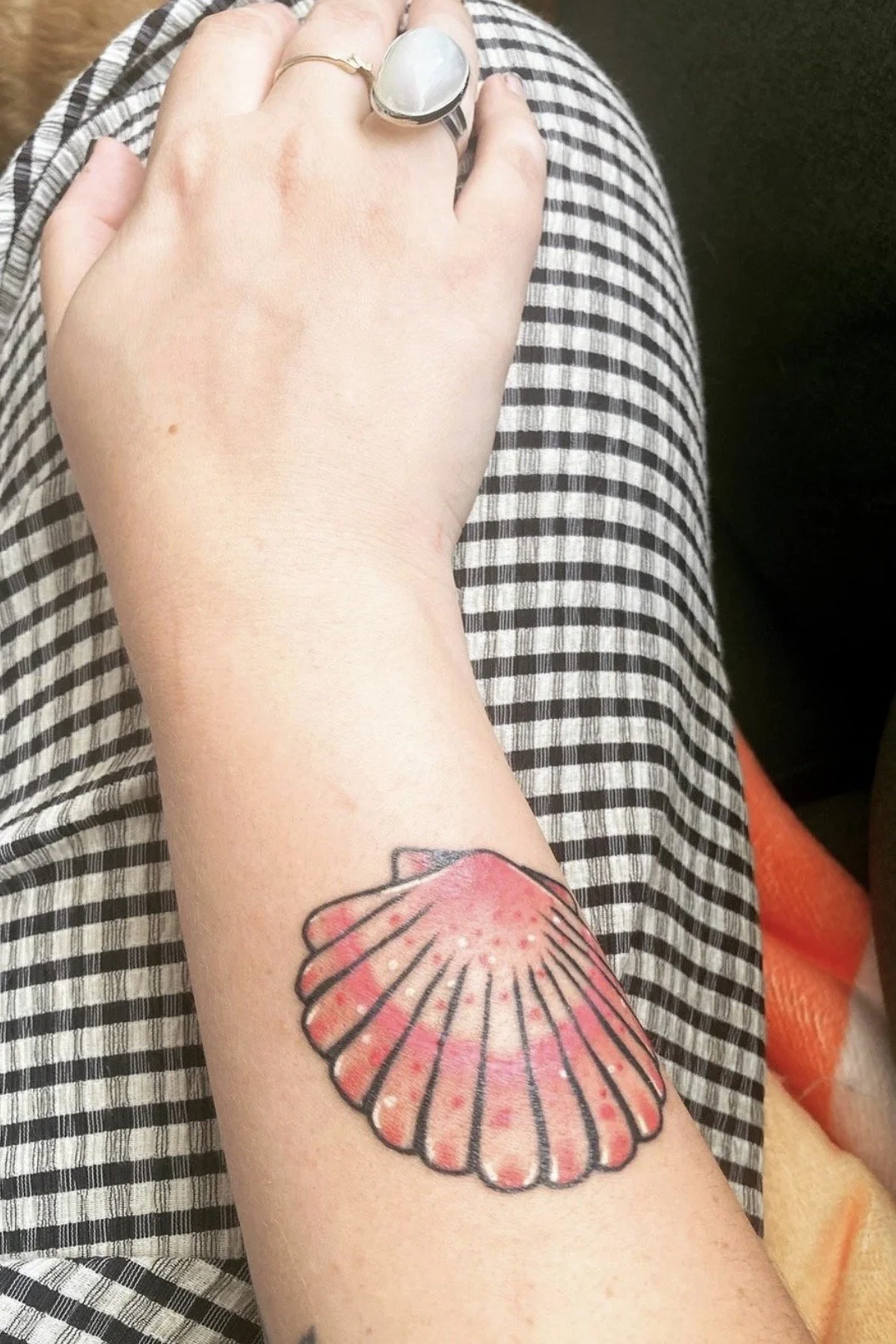
Inspired by Esther Wilding

Inspired by Esther Wilding
Inside Esther’s world:
Kanalaritja
shell necklaces
An excerpt from The Seven Skins of Esther Wilding:
Esther sitting next to Aura, two teenagers on the white sand. At their backs, towering blue gums and coastal heath bushes. The sea rolls out in front of them like a jeweller’s velvet mat. In gentle breeze and warm sun they sit, holding shell jars, minding flasks of tea and packets of biscuits, all the while watching the women on the shore. Nin, Queenie and others in their family stand in calf-deep saltwater, bent at the waist, trousers rolled up, sweeping their hands through fronds of golden bull kelp. Every now and then pausing to pluck an inconspicuous brown shell off a frond and drop it into a clear, small jar. Later the shells will be taken home, cleaned out and, by an ancient practice unknown to Esther and Aura, become piles of iridescent gems on Queenie’s shell-stringing table. Glowing in captivating purples, blues, greens, pinks, silver and gold, the colours of an Aurora sky. As if the shells were lit from within.
– Chapter 6
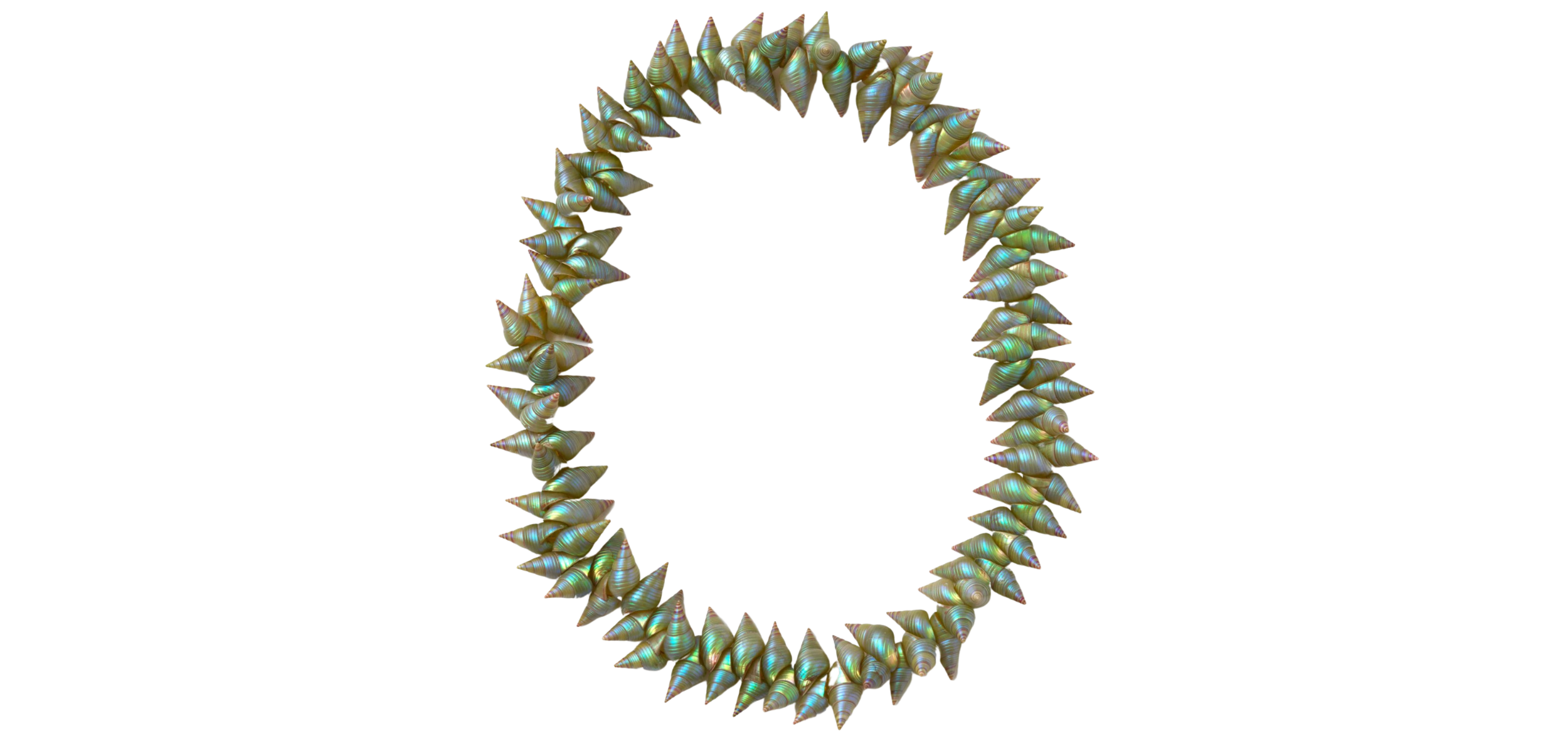
Kanalaritja by Ashlee Murray
I am indebted to the community of Pakana women who so generously and tirelessly worked with me on this book, who gave me permission to use Pakana language, and shared culture and stories and guidance with me so that I could include kanalaritja in Esther’s story. Namely Theresa “Nanny Sparkles” Sainty, Zoe Rimmer, and Emma Robertson. With special mention to Caleb Nichols-Mansell for his love and support.
The Music
Music is one powerful force in Esther’s story – as I wrote the novel, to better ‘hear’ and ‘see’ what she was hearing and seeing, I made playlists. Upon publication I made the playlists public.
It’s been nothing short of an electric-shock thrill to hear from readers how much they enjoy being able to listen with Esther too.
Eivør
Eivør Pálsdóttir, known as Eivør, is a beloved Faroese singer-songwriter, artist and actress. Born and raised in Syðrugøta, she had her first televised performance at the age of thirteen. Over the course of her decades-long career, her musical output has spanned a wide range of genres such as folk, art pop, jazz, folk rock, classical and electronica. Her song, Trøllabundin, is an important part of Esther Wilding’s story. Watch Eivør perform it live at the base of Kópakonan in the video below.
In 2024 I had the joy of meeting Eivør in Camden before she performed at Electric Ballroom. She was glorious to chat with as a human, and an otherworldly angel of music when she performed.
If you ever have the chance to see her live, run, don’t walk.
The Fairytales
Esther and Aura’s story wouldn’t be what it is without the fairy tales of Helena Nyblom, (1843 – 1926). A Danish-Swedish writer, poet, playwright, cultural critic and pianist, now best remembered for her fairy tales.
I first came to Nyblom through reading her fairy tale, All the Wild Waves. My obsession was immediate. What followed was my rapturous discovery of her stories: swan skins, sea kings and memory-robbing flowers, girls listening to water, old magic and danger hiding entwined in plain sight. And how much more about women’s experiences was moving beneath these motifs and symbols.
Nyblom was not a campaigning feminist in the public sense. Scholars have written about the central conflict in her life and work as one between duty and freedom, between the desire to make art and the expectations placed on her as a wife and mother. That tension is everywhere in her fairy tales.
When I had the idea that Esther’s missing sister Aura made sense of her world through fairy tales, I immediately knew they would be Helena Nyblom’s.
Svanhamnen: Nyblom’s rework of the old swan-maiden story. In many versions of the tale, a man hides a woman’s swan skin and traps her into marriage. Nyblom shifts the focus. The man is not the centre. The woman is. Caught in marriage and duty. Then she finds her swan skin again. And flies. That exhalation I felt as I read that freedom on the page floored me.
Agneta and the Lake King: Nyblom returns to water, enchantment and captivity reworking this old tale. Agneta is seduced and taken below the water by the Lake King to live in his underwater kingdom. She becomes wife, queen, mother. But the sound of bells from the world above reaches her through the water and wakes something in her. Memory. Land. Family. Self. Again, she is a woman caught between worlds. Again, there is beauty and danger tangled together. Again, there is the question of what a woman has to forget in order to belong somewhere she did not freely choose.
All the Wild Waves of the Sea: one of the sharpest fairy tales I’ve ever read, again about water. Violanta lives with her mother and brother in a cottage high on a mountainside. Their life is safe, lovely, enclosed. But far away she can see the sea. And nearby, she watches the brook that runs toward it. Violanta longs to see the wild waves. She is haunted by curiosity. Hunger. A wish for a life larger than the one she has been given. So she dares. Follows her heart. Refuses to settle. And is destroyed by the very waves she longed for. It is brutal. It feels like an ancient, scathing warning dressed as a fairy tale: this is what happens to a girl who wants too much. But I still don’t think the warning is the most powerful part of the story. The longing is.
This is what drew me to Nyblom – the way freedom, rage, longing, desire and curiosity are hidden inside her fairy tales. Waiting.
When I couldn’t find an English translation anywhere in the world or on the internet of Svanhamnen, I enlisted the talents of Malin Öbrell to translate it for me, which I share with you for your reading pleasure.
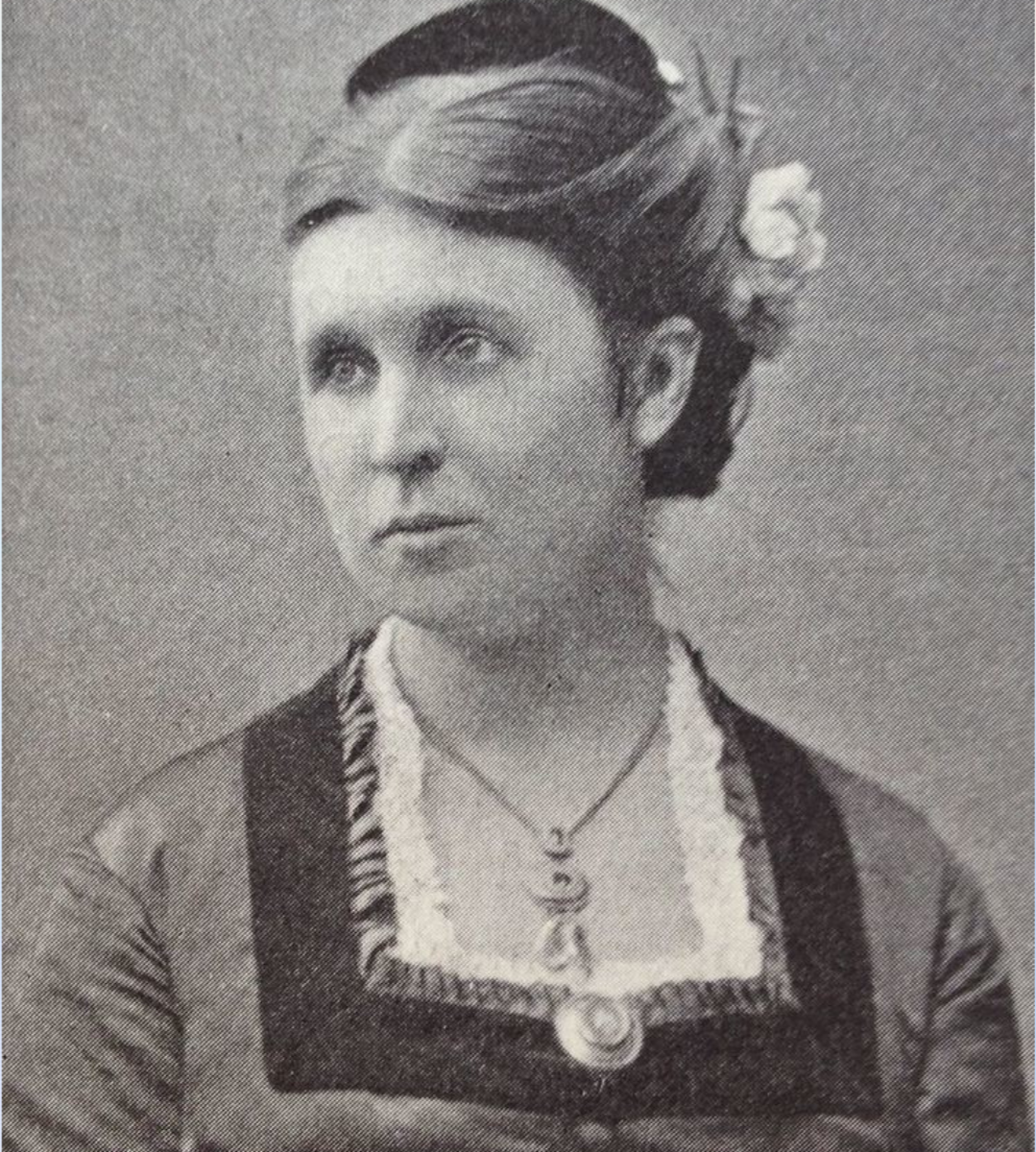
Helena Nyblom - Wikipedia
Read Helena Nyblom’s fairy tales:
The Cake
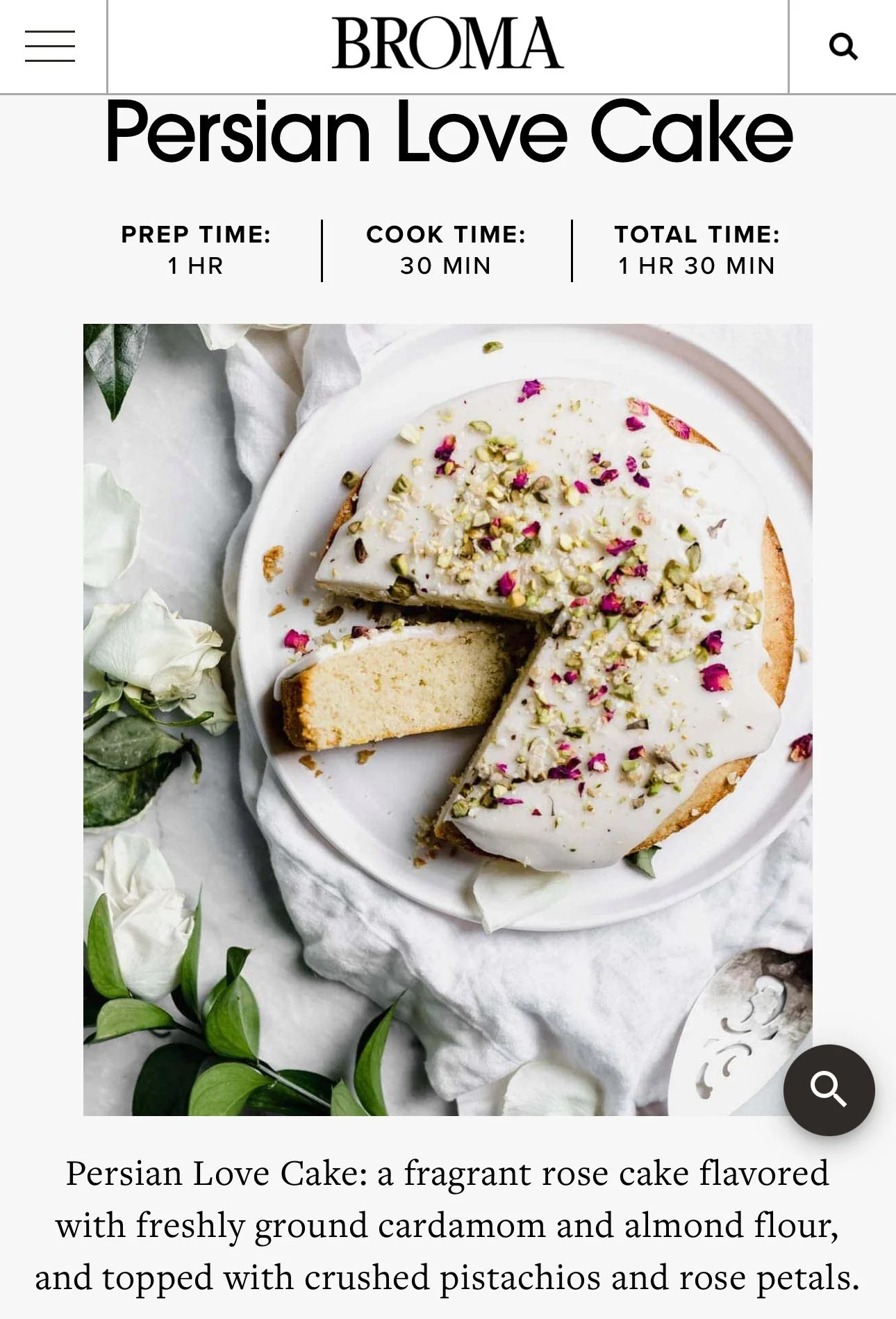
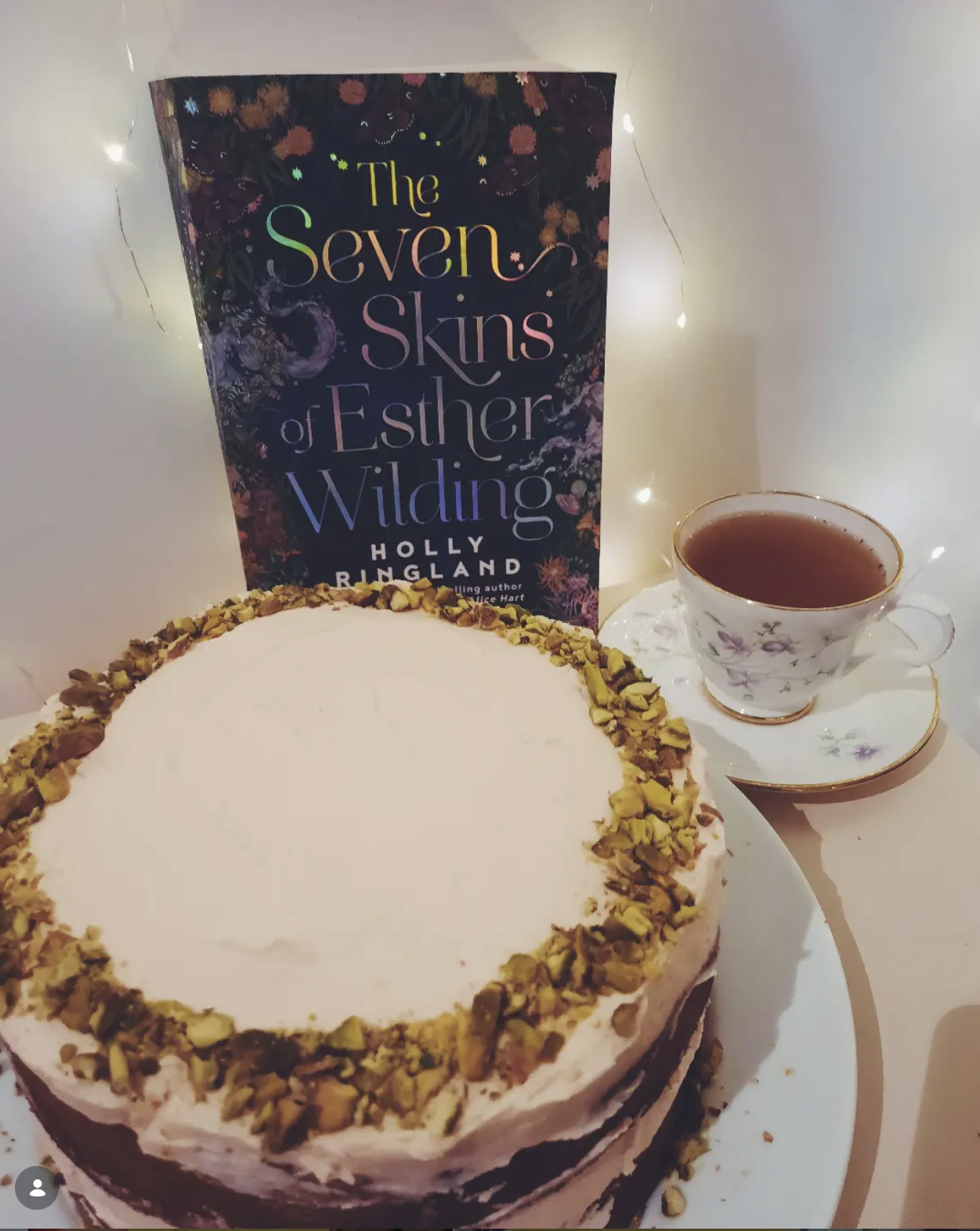
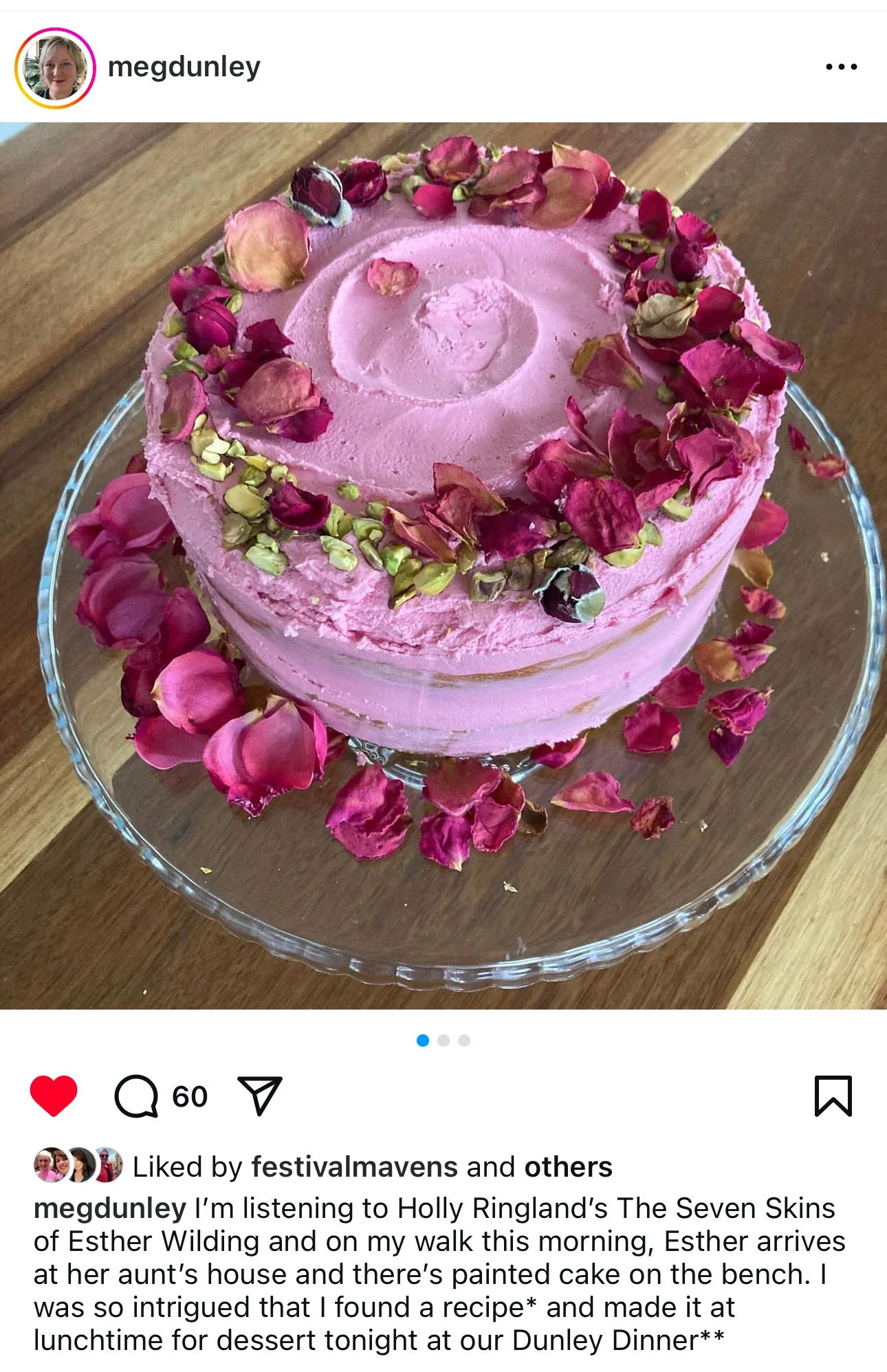
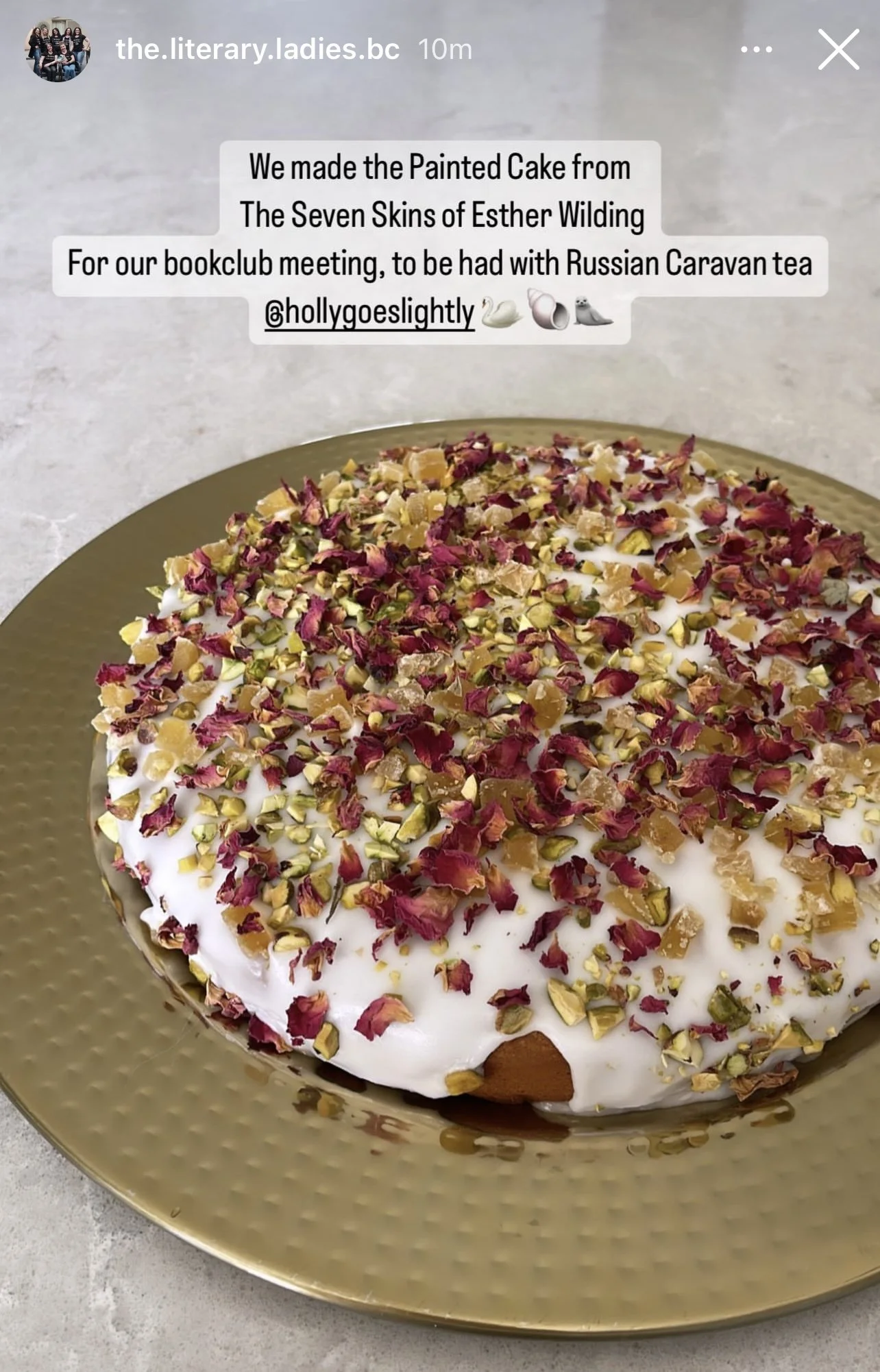
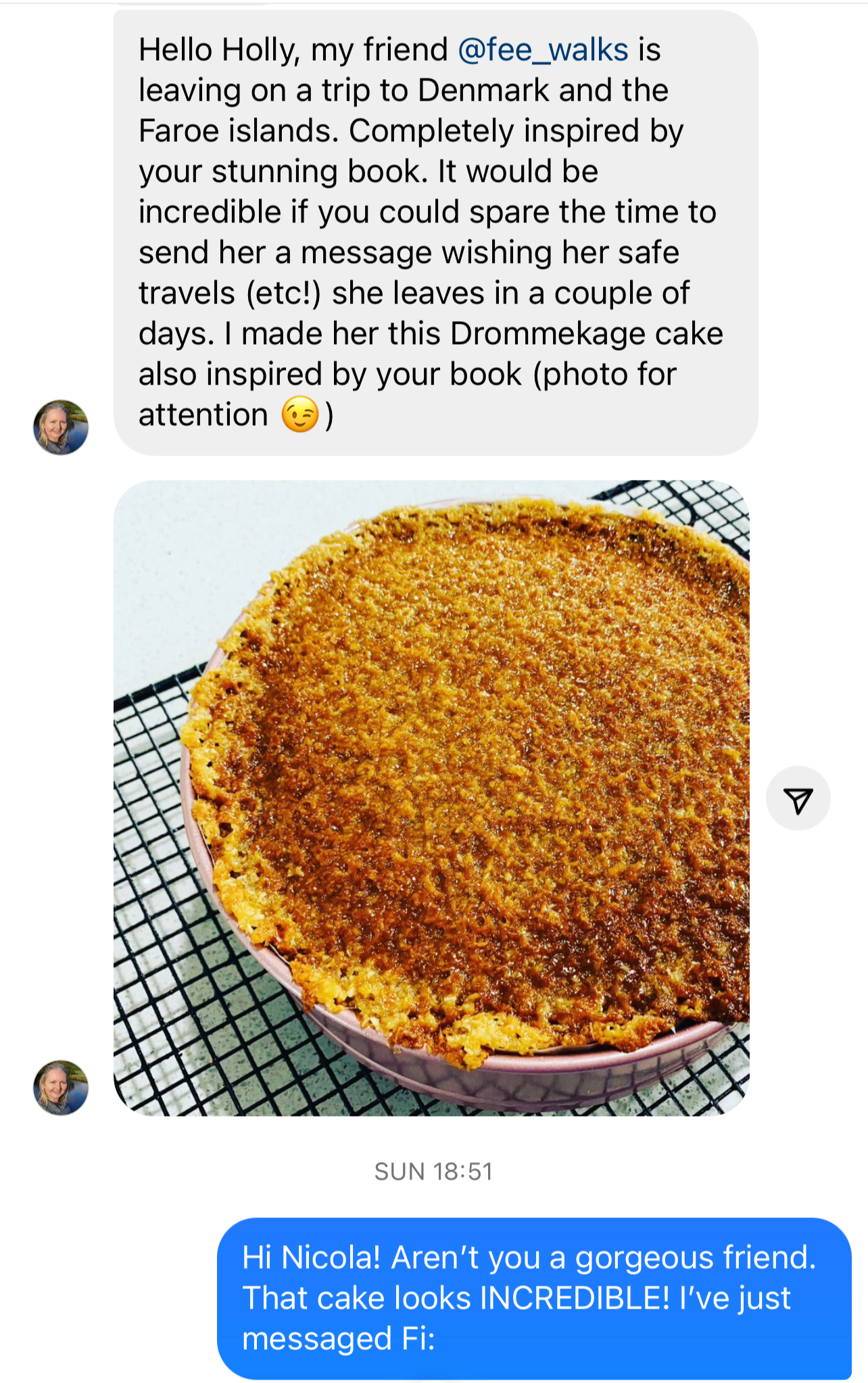
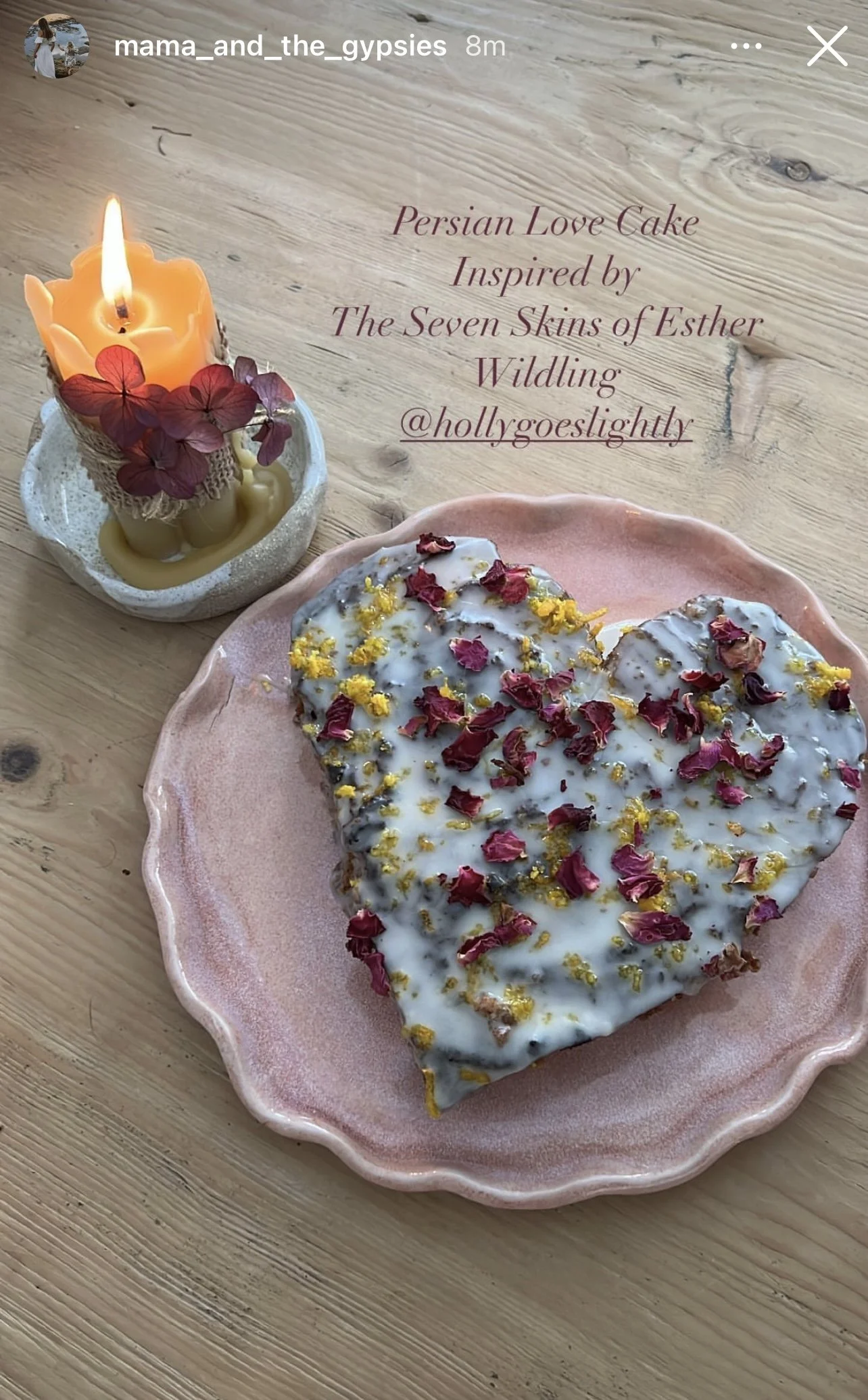
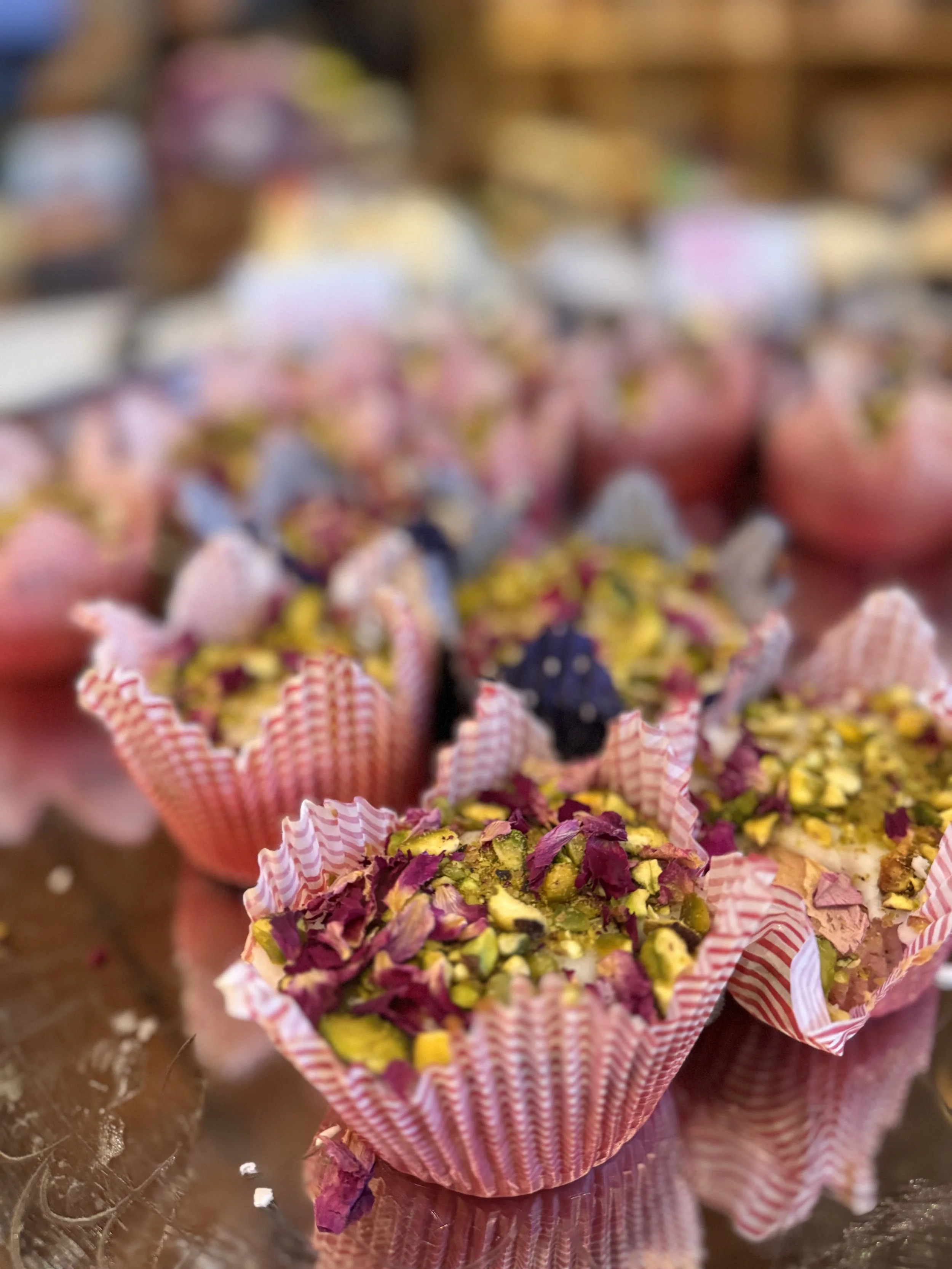
Since Esther Wilding was published in 2022, I have been astonished and delighted to see readers baking their own versions of Esther’s Aunt Erin’s ‘painted cake’, which she bakes in my novel to conjure love.
My inspiration was a 17th century Italian fairytale about painted bread, and Broma’s recipe for Persian Love Cake – opposite.
Click to get the recipe that inspired me, or click below to read the backstory of how this cake in Esther’s life came to be.
My wholehearted thanks to every reader who’s shared their painted cake with me.
The Art
Throughout Esther’s life, she is haunted and guided by art.
These are some of the artists that shape her story.
John Bauer
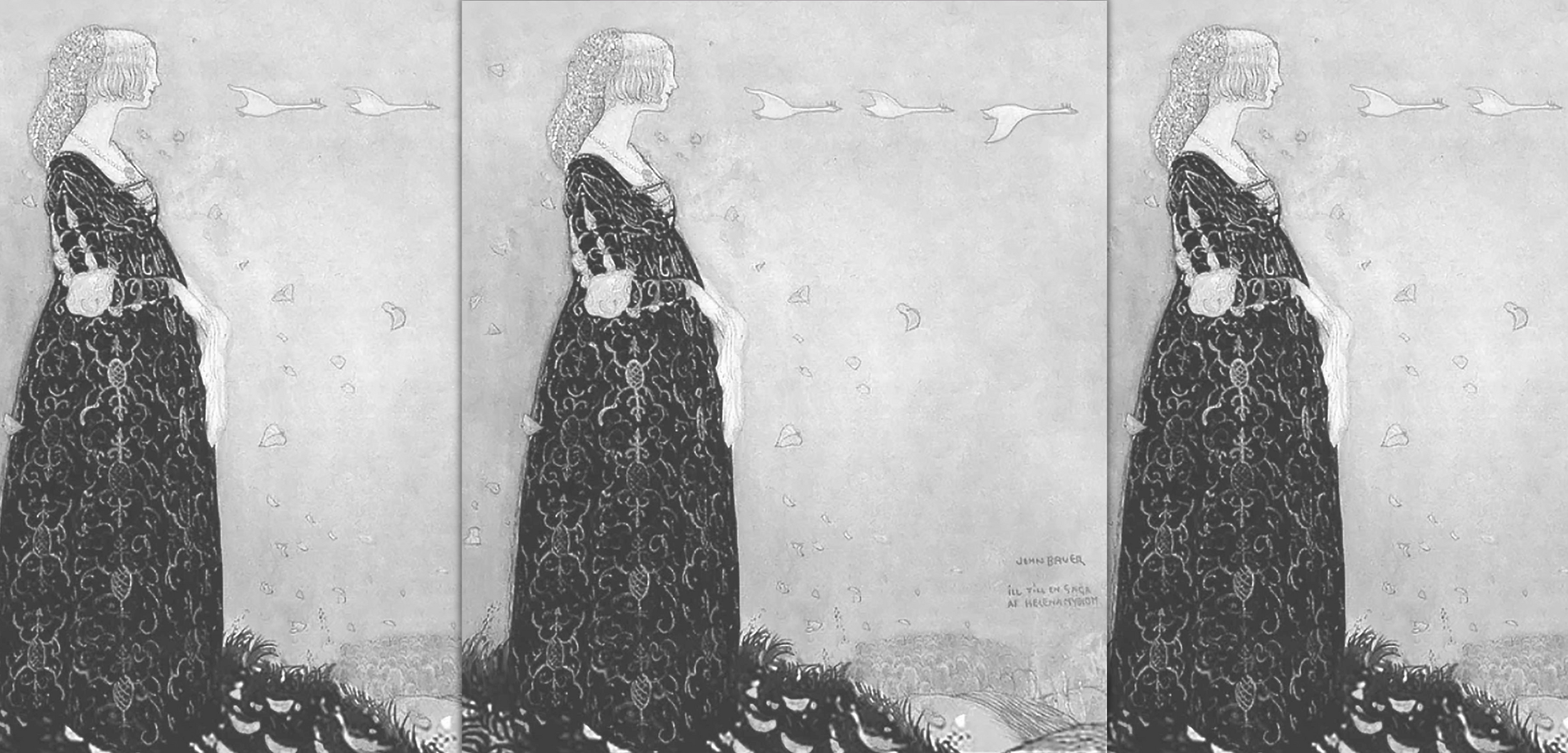
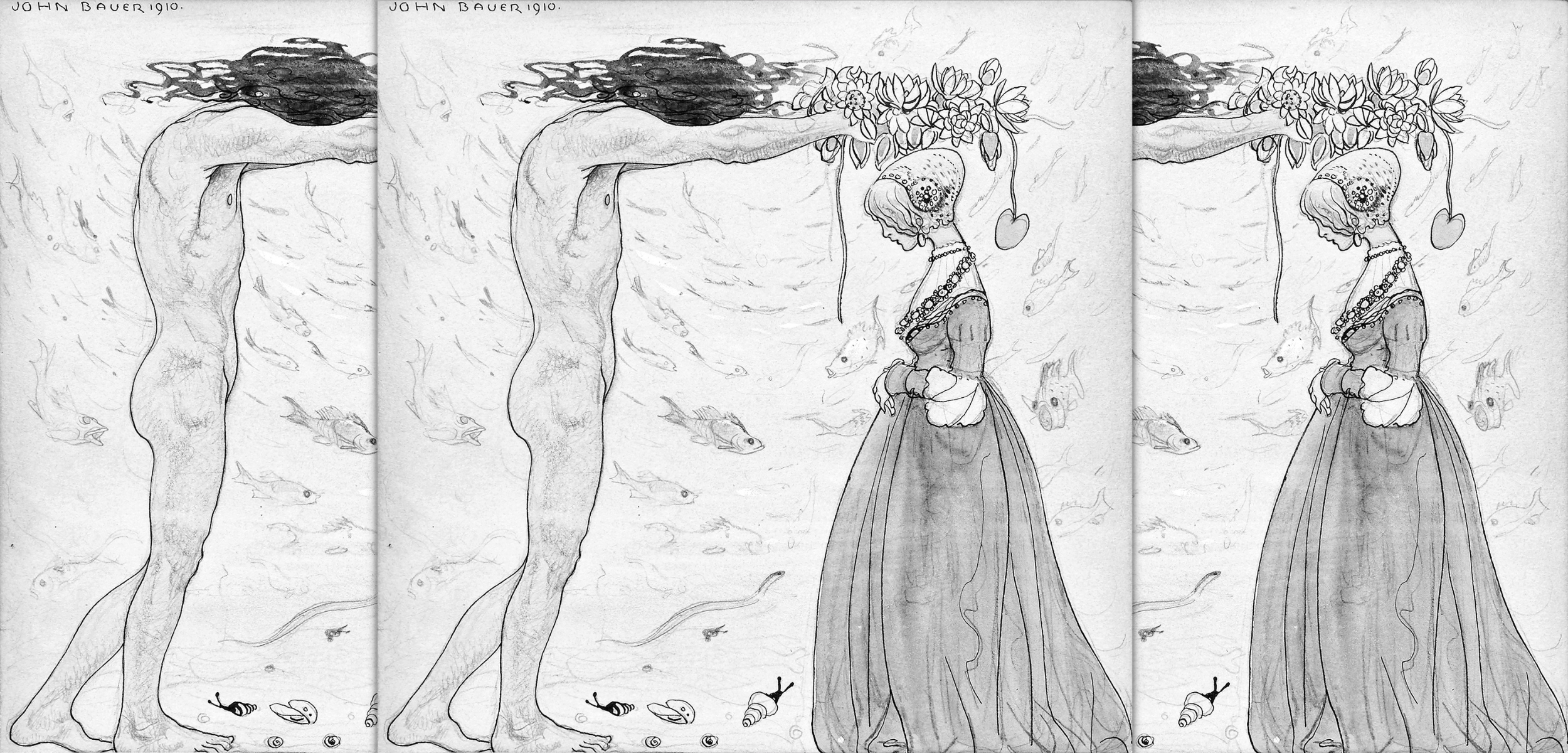
John Bauer (4 June 1882 – 20 November 1918) was a Swedish painter and illustrator. He is best known for his illustrations for early editions of Bland tomtar och troll (Among Gnomes and Trolls), an anthology of Swedish folklore and fairy tales first published in 1907. Bauer illustrated several stories by Helena Nyblom, including Svanhamnen, her tale of swan maidens and longing, and Agneta and the Sea King, with its girl, its water, and its old mythic pull, both pictured.
In November 1918, Bauer, his wife, the artist Ester Ellqvist, and their three-year-old son Bengt drowned aboard the steamer Per Brahe crossing Lake Vättern in southern Sweden.
Four years later, during the salvage of Per Brahe in the summer of 1922, the small lakeside town of Hästholmen reportedly filled with crowds. When the ship’s mast rose again above the water, thousands gathered to witness it. Even allowing for exaggeration in the reported numbers, the scene speaks to how deeply the tragedy had entered public imagination: the fairy-tale artist, his artist wife and their small child, lost to the dark water of a Swedish lake.

Illustration from Helena Nyblom’s Agneta and the Sea King – John Bauer, 1910. Image courtesy of Uppsala Auktionskammare.

Illustration from Helena Nyblom’s Svanhamnen – John Bauer.
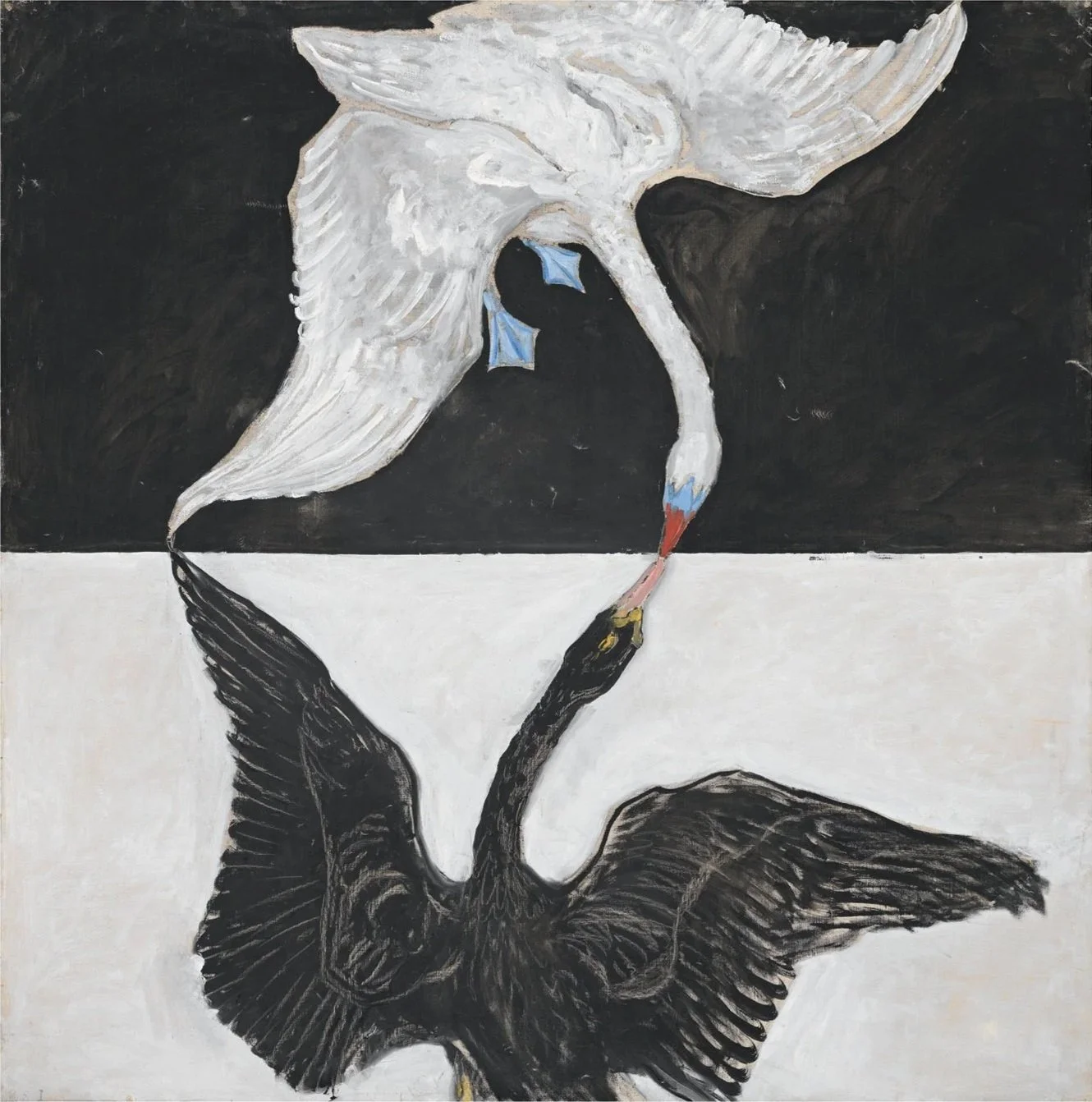
Hilma af Klint
Hilma af Klint (1862–1944) is now celebrated as one of Sweden’s most visionary artists. Graduating with honours in 1887 from Stockholm’s Royal Academy of Fine Arts, af Klint was recognised as a naturalistic painter. But in 1906 she took a radically different path, one shaped by spiritualism, science, geometry, colour, the natural world and unseen forces. Between 1906 and 1915, she created The Paintings for the Temple, a monumental cycle of 193 works.
She rarely showed these paintings while she was alive. Instead, she protected them for the future, leaving instructions that some of her most important work should not be seen until twenty years after her death. Even then, the world was slow to catch up. Her paintings remained largely unseen until 1986, forty-two years after she died.
Today, Hilma af Klint is celebrated all over the world: an artist who trusted her vision enough to leave it waiting in the dark, until the world was ready for its light.

Me, standing in utter awe at the Hilma af Klint exhibition, Guggenheim Museum, NYC, 2019.
Hans Pauli Olsen
Hans Pauli Olsen is a Danish/Faroese sculptor, born in Tórshavn in 1957, whose work lives in galleries as much as it does the infamous weather of the Faroe Islands.
His sculptures can be found across the islands, especially in Tórshavn. Listasavn Føroya, the National Gallery of the Faroe Islands, holds several of his works, including two that bear great meaning in Esther’s story: Reflection (Spegilsmynd), a four-metre bronze sculpture. In it, the figure of a pregnant woman is mirrored, as though in water or dream. The gallery describes the sculpture as both magical and strongly physical, shaped by the visible marks of Olsen’s hands in clay.
Olsen also created Kópakonan, the bronze and stainless-steel statue of the Seal Woman on the shore at Mikladalur, on the island of Kalsoy. The sculpture gives form to one of the Faroe Islands’ most famous legends: the seal woman who comes ashore, removes her skin and becomes human until sunrise. The statue stands on a rocky knoll by the sea, where the Atlantic weather is part of the work. Engineers calculated that she needed to withstand waves up to thirteen metres high. One of the scenes I found the most moving to write in Esther’s story takes place here.

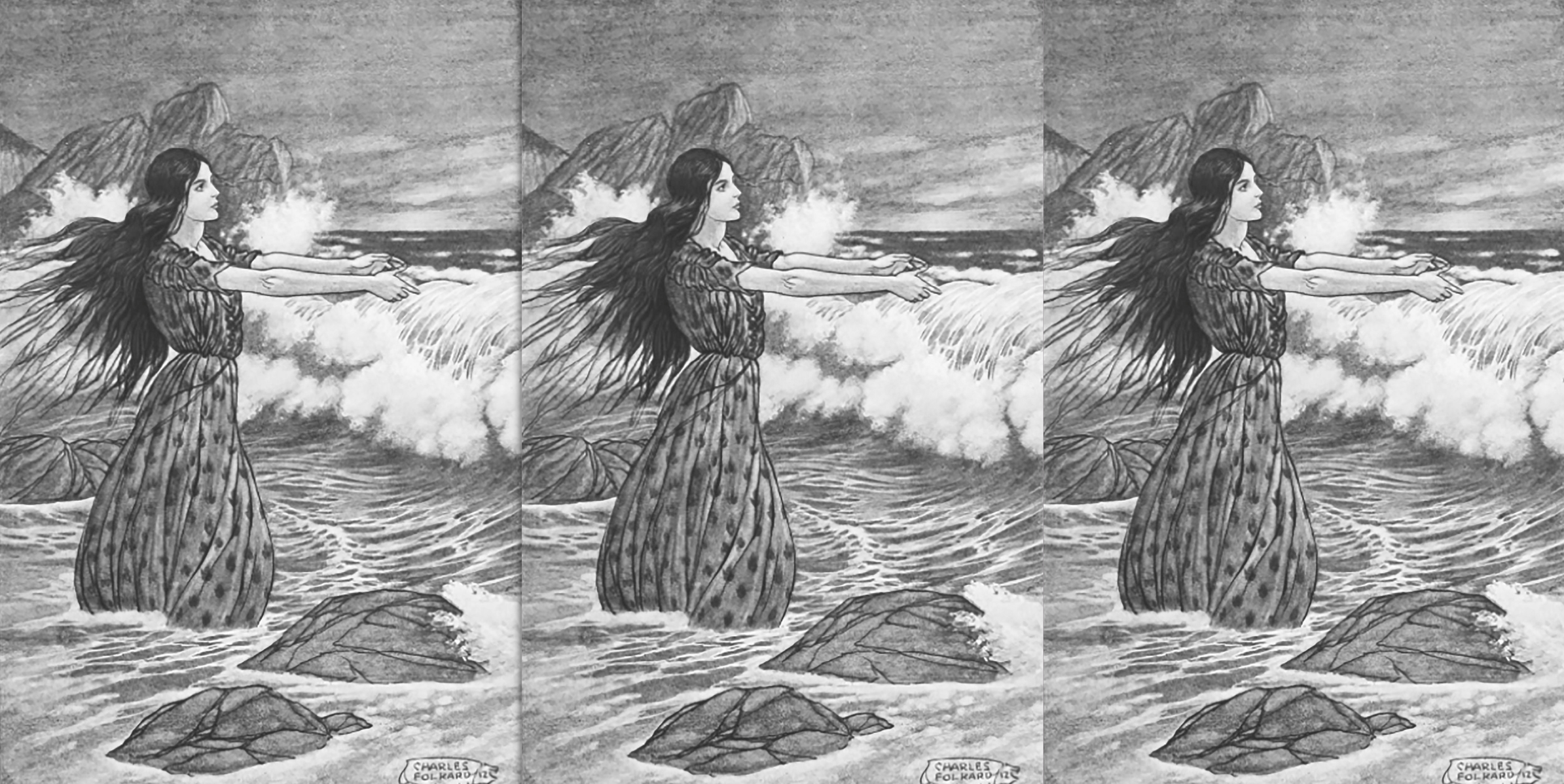
Charles Folkard
Charles James Folkard was a British illustrator and comic artist whose work moved between fairy tale, children’s books, humour and enchantment.
In 1912, he illustrated Helena Nyblom’s Jolly Calle & Other Swedish Fairy Tales. The collection carried Nyblom’s Swedish fairy tales into English, accompanied by Folkard’s strange, delicate images.
I picked up my copy in 2009 at a book market on Oxford Road in Manchester, England. It went on to my bookshelf and stayed there until 2018. When I took it down to read after finishing writing Alice Hart. Among the stories is All the Wild Waves of the Sea – the first of Nyblom’s work I read, and which, immediately upon reading it, became the foundation of Esther Wilding’s story.

Courtesy of the estate of Charles Folkard.
For your book club!